 $25 OFF AC REPAIR | $139 MAINTENANCE
 Cooling
 Heating
 Water Heater
 Other Services
Spring HVAC Checklist: Get Your Calgary Home Ready for Summer
Apr
If you live in Calgary and you haven’t touched your HVAC system since the last cold snap, now is the time. Spring in this city is unpredictable. We’ve seen snowstorms roll through in May and sunny 18-degree days in March. That means your furnace and air conditioner both need attention before the warm season kicks in for real. This spring HVAC checklist for Calgary homeowners walks you through everything you can handle yourself, plus the stuff that’s better left to a licensed tech.
Why Spring HVAC Maintenance Matters in Calgary
Calgary sits at over 1,000 metres elevation with a climate that swings hard between seasons. Your furnace ran non-stop for five or six months. Your AC sat dormant collecting dust. The transition period between heating and cooling is your one real window to catch small problems before they turn into expensive mid-summer breakdowns. Homes that skip this step tend to see 15 to 25 percent higher energy bills through the summer, according to national energy experts.
There’s also the dust factor. Calgary’s spring winds carry construction dust, pollen, and road grit into every vent in your house. If your filters and ducts aren’t cleaned, that debris cycles through your living space for months.
Table of Contents
- Why Spring HVAC Maintenance Matters in Calgary
- Shutting Down Your Furnace the Right Way
- Preparing Your AC for First Use
- Ductwork and Vents Check
- Thermostat Programming for Spring and Summer
- DIY vs. Professional Tune-Up: When to Call
- Your 12-Step Spring HVAC Checklist
- Frequently Asked Questions
- Service Areas
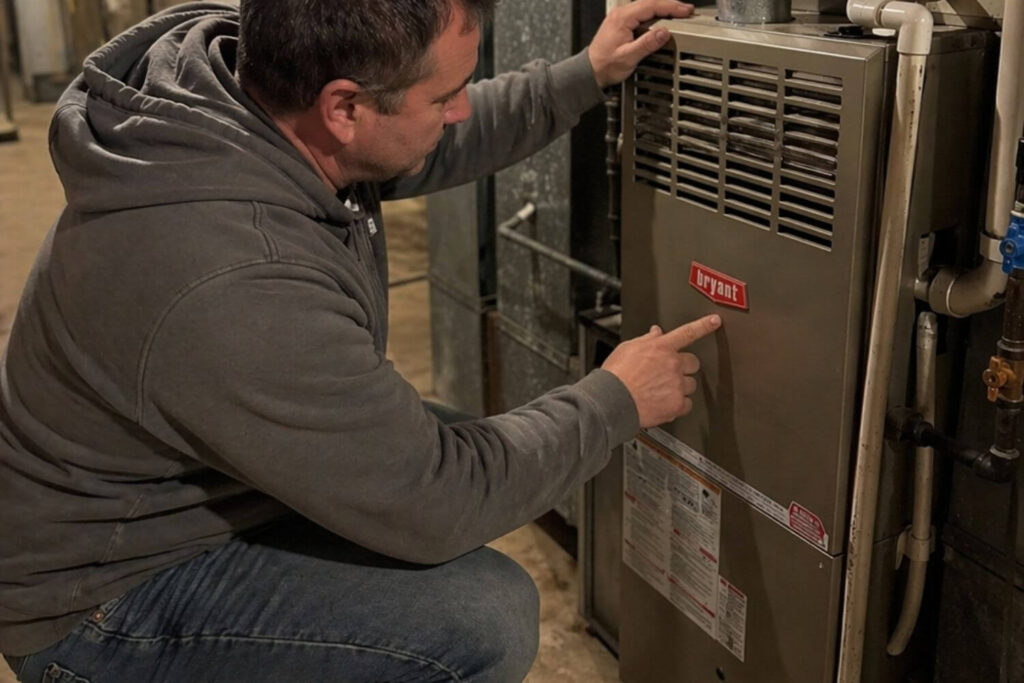
 Shutting Down Your Furnace the Right Way
 Shutting Down Your Furnace the Right Way
Don’t rush this. Calgary can still see overnight lows below zero into mid-May. A premature furnace shutdown leaves you scrambling if a late frost rolls in. Here’s how to handle it properly:
- Wait until consistent overnight temps above 5°C. In Calgary, that’s typically late May. Check the two-week forecast before committing.
- Switch your thermostat to cooling mode rather than turning the furnace off at the breaker. This keeps the blower available if your system shares the air handler.
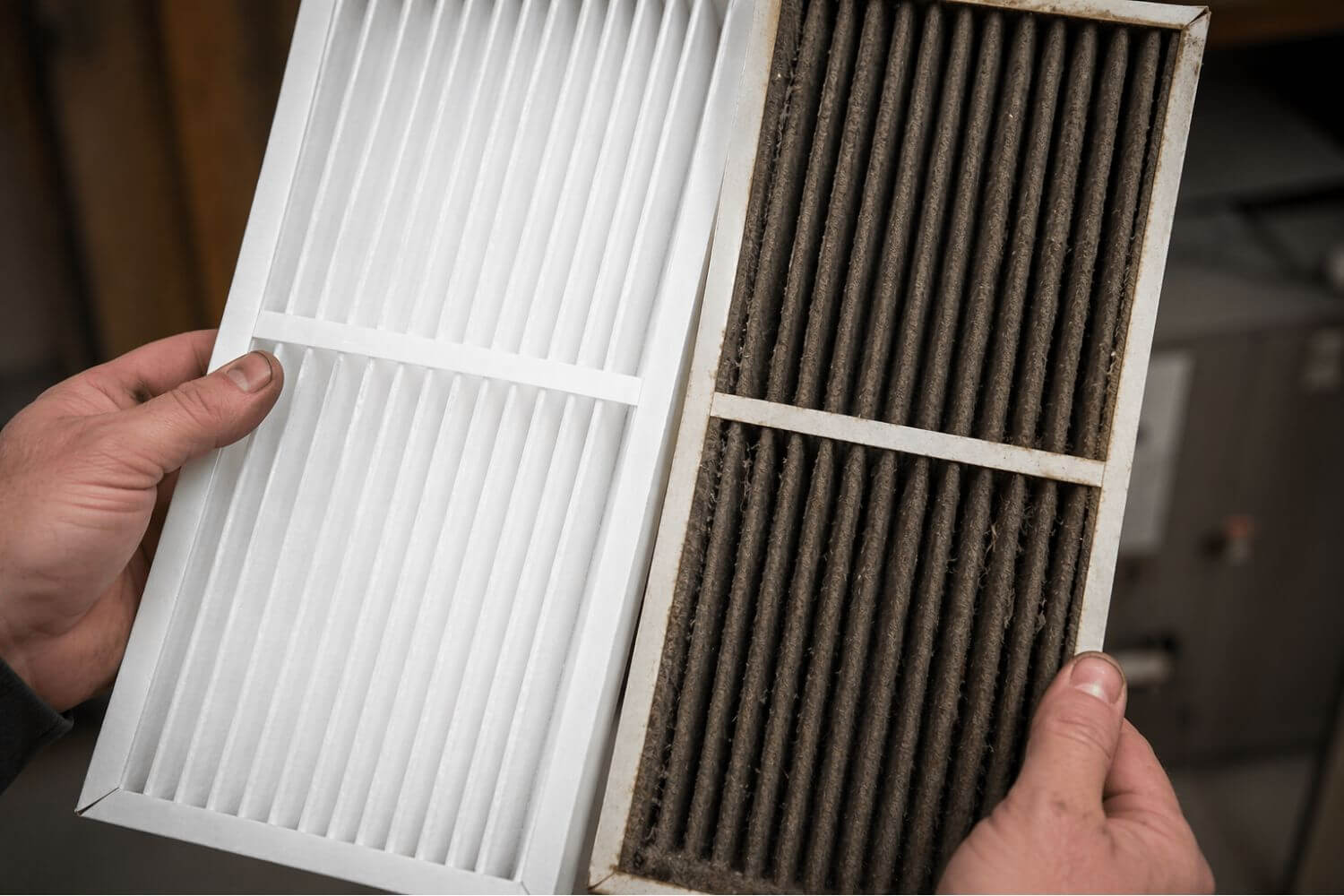
- Replace the furnace filter one last time. A clean filter sitting in the unit over summer prevents stale, dust-caked air from hitting you when heating season returns.
- Close the gas valve to the furnace only if you know you won’t need heat until fall. Some homeowners prefer to leave it open for safety, and that’s fine too.
If your furnace made unusual sounds this past winter, or if it short-cycled frequently, don’t just shut it down and forget about it. Get a furnace repair inspection now so you aren’t dealing with a breakdown the first cold night in October.
Preparing Your AC for First Use
Your air conditioner has been sitting idle since September. Before you flip it on, take 30 minutes to do these checks:
- Inspect the outdoor condenser unit. Clear away leaves, grass clippings, and debris. Trim vegetation back at least 60 cm (two feet) on all sides.
- Straighten bent condenser fins. Use a fin comb or butter knife carefully. Bent fins restrict airflow and reduce cooling efficiency.
- Check the condensate drain line. Pour a cup of vinegar through it to clear algae buildup. A clogged drain causes water damage fast.
- Install a fresh filter. Even if you just replaced the furnace filter, verify it’s the right MERV rating for your AC system (MERV 8 to 11 is typical for residential).
- Run a test cycle. Set the thermostat to cooling, drop the temp two degrees below room temperature, and let the system run for 15 minutes. Listen for unusual sounds. Check that cool air comes from all vents.
If the AC doesn’t start, blows warm air, or makes grinding or clicking noises, stop and call for AC repair before forcing it to run. Running a faulty compressor can cause damage that costs thousands to fix.
Ductwork and Vents Check
Your ductwork is the highway for conditioned air. Leaks, blockages, or disconnected joints mean you’re paying to cool your attic or basement instead of your living room.
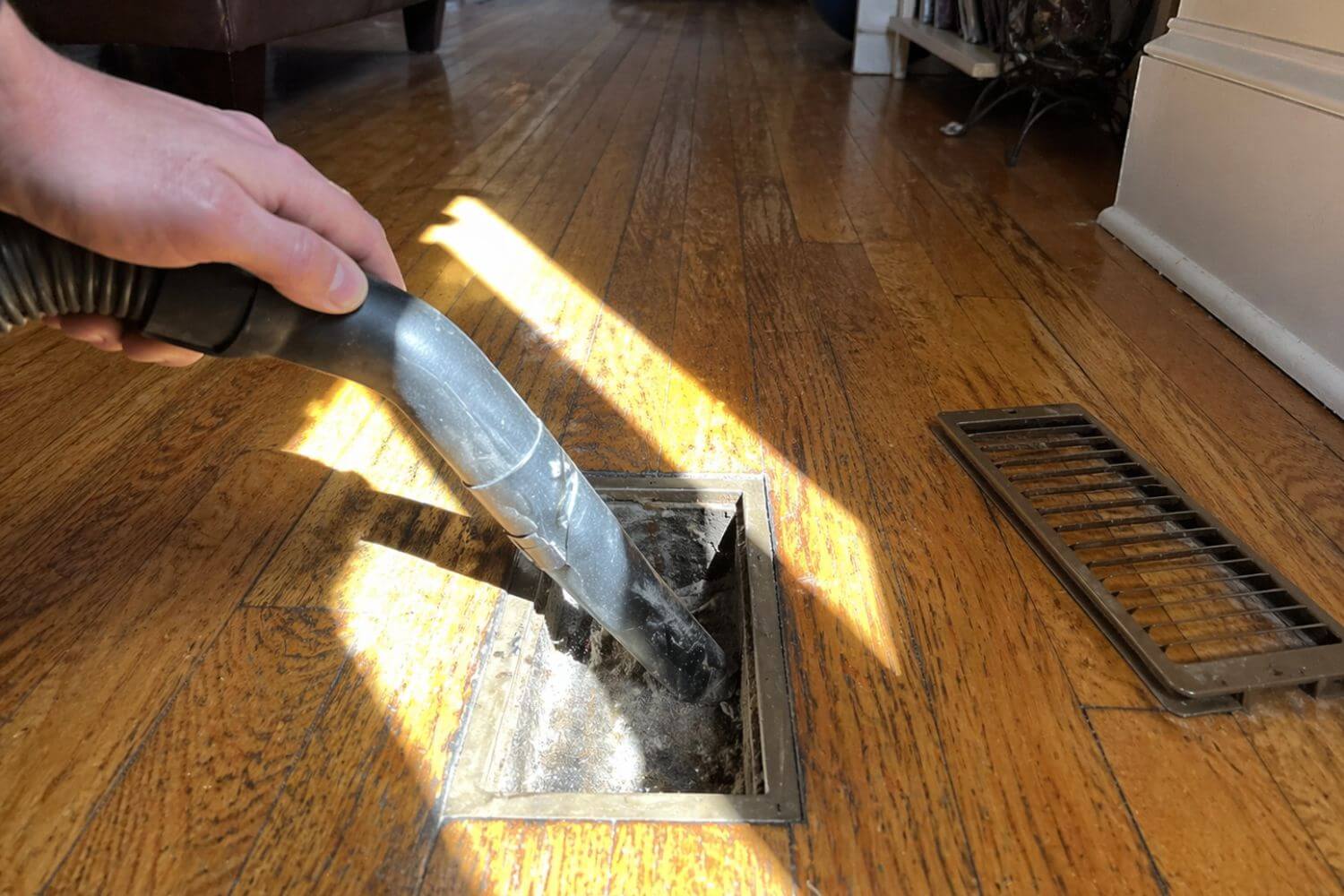
- Walk the house and open every register. It’s common for people to close vents in unused rooms during winter. Open them all for balanced airflow.
- Look for visible duct damage in accessible areas like the basement, crawl space, or utility room. Sagging, crushed, or disconnected sections need repair.
- Check for dust buildup around vent covers. Heavy black dust is a sign your ducts haven’t been cleaned in years. Professional duct cleaning every three to five years is a good baseline.
- Listen for whistling or rattling when the system runs. Whistling usually means a duct seal has failed. Rattling could be a loose damper.
Thermostat Programming for Spring and Summer
If you’re still running the same thermostat schedule from January, you’re wasting energy. Calgary’s spring days are cool in the morning and warm by afternoon, which means your system might heat and cool on the same day if programmed poorly.
- Set a wider dead band. Program heating to 18°C and cooling to 24°C. This gap prevents your system from constantly switching modes.
- Use a schedule. If nobody’s home from 8 a.m. to 5 p.m., let the house float. Don’t heat or cool an empty home.
- Consider a smart thermostat. Smart models learn your habits and adjust automatically. If your current thermostat is a basic programmable unit from 2010, upgrading can cut 10 to 15 percent off your energy costs.
- Check thermostat placement. If yours sits near a window, in direct sunlight, or beside the kitchen, it’s reading inaccurate temperatures. A thermostat relocation solves this permanently.
DIY vs. Professional Tune-Up: When to Call
Some of this spring HVAC checklist is pure homeowner territory. Other parts require a licensed technician with proper tools and safety training.
DIY-Safe Tasks
- Replace air filters
- Clear debris from outdoor unit
- Open all registers and vents
- Flush condensate drain with vinegar
- Reprogram thermostat schedule
- Visual duct inspection
- Test-run the AC
Call a Professional
- Refrigerant level check and top-up
- Electrical connection inspection
- Blower motor and capacitor testing
- Heat exchanger crack inspection
- Full duct sealing or cleaning
- Gas valve or pilot light issues
- Any repair involving live electrical
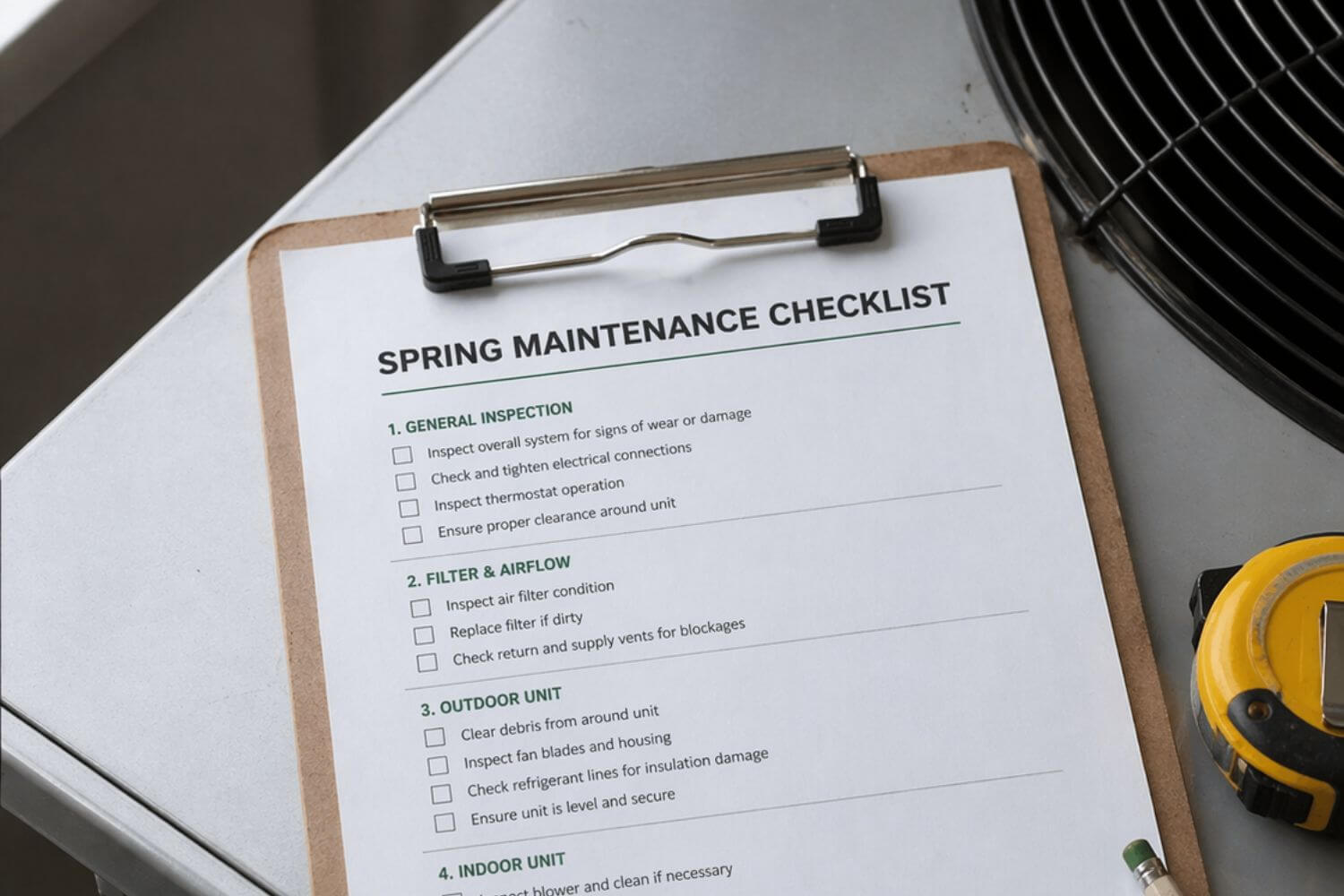
Your 12-Step Spring HVAC Checklist
Follow these steps in order. The whole process takes about one to two hours for most Calgary homes.
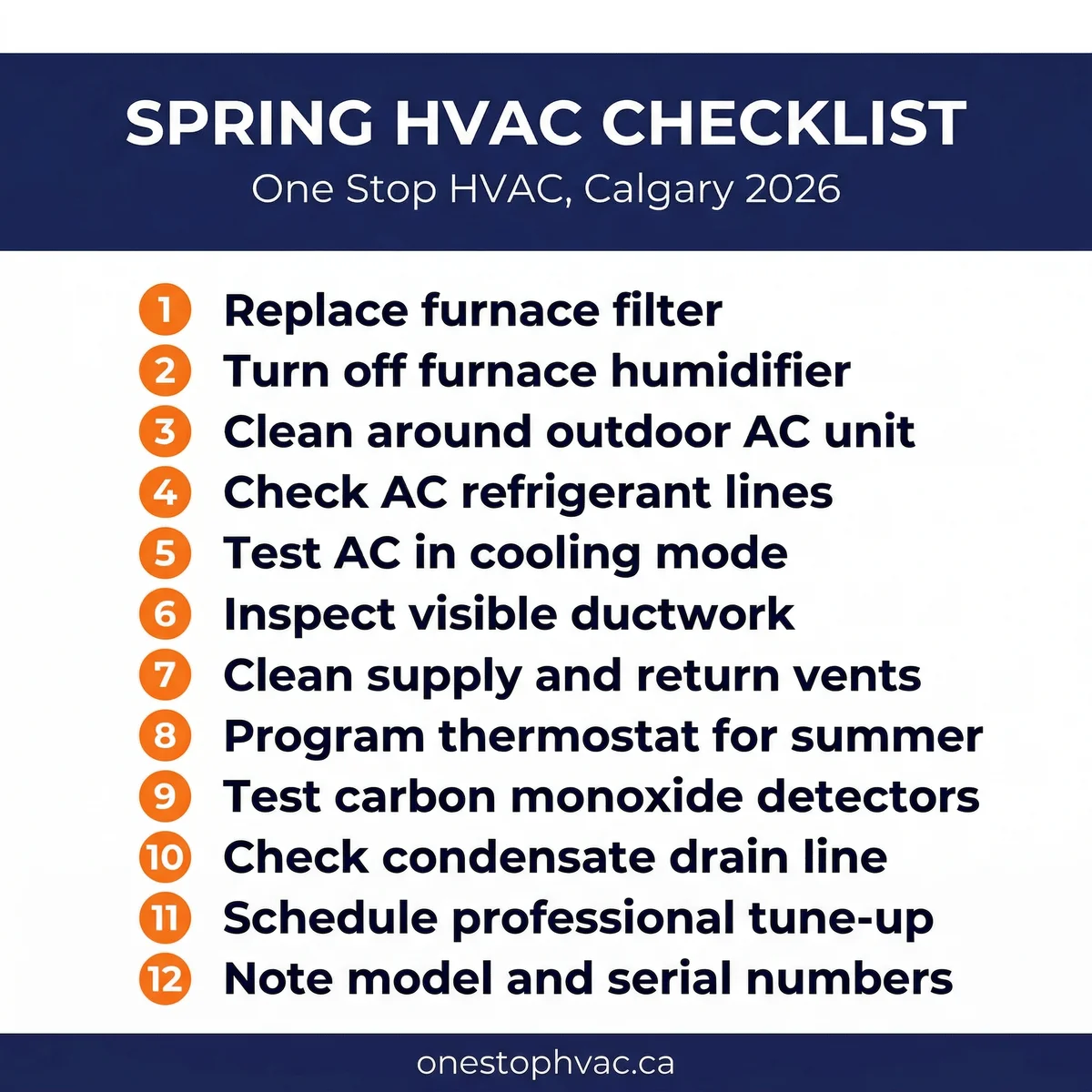
- Check the weather forecast. Make sure no heavy cold snaps are expected in the next two weeks before transitioning away from heating mode.
- Replace your furnace filter. Use the correct size and MERV rating for your system. Write the date on the filter with a marker so you remember when it was last changed.
- Switch your thermostat from heating to cooling. If you have a heat/cool/auto switch, set it to auto for the transition period.
- Turn off the humidifier. If you have a whole-home humidifier connected to your furnace, shut it off and close the bypass damper. Running it during cooling season wastes water and can promote mold.
- Inspect the outdoor AC unit. Remove the protective cover (if used). Clear all debris within a 60 cm radius. Hose down the fins gently from top to bottom.
- Check the condensate drain. Find the drain line (usually a PVC pipe near the indoor unit) and pour a cup of white vinegar through it. Verify water flows freely out the other end.
- Open all supply and return vents. Walk every room. Move furniture away from vents. Remove vent covers and vacuum out dust buildup.
- Inspect visible ductwork. Look for disconnected joints, crushed flex duct, or duct tape that has dried out and peeled away. Use mastic sealant or foil tape for small fixes.
- Test your AC. Set the thermostat to cooling mode, two degrees below current room temp. Let it run 15 minutes. Confirm cool air at every vent. Listen for unusual noises.
- Check your carbon monoxide detectors. Spring is a good time to test batteries and replace units older than seven years. This protects you when heating starts again next fall.
- Program your thermostat for spring and summer. Set heating to 18°C, cooling to 24°C, and build a daily schedule that accounts for your work hours.
- Schedule a professional tune-up. Book now while HVAC companies still have availability. By mid-June, wait times for service calls jump significantly in the Calgary area.
DIY vs Professional Tune-Up Calculator
Find out whether you should handle spring maintenance yourself or book a professional.
Frequently Asked Questions
When should I switch from heating to cooling in Calgary?
Wait until overnight temperatures consistently stay above 5°C, which usually happens in late May in Calgary. Using your thermostat’s “auto” mode during the transition period lets the system decide based on actual indoor temperature rather than forcing one mode.
How often should I replace my HVAC filter?
Every one to three months during active use. If you have pets, allergies, or live near a construction zone, lean toward monthly. A clogged filter makes your system work harder, raises energy bills, and shortens equipment lifespan.
Can I do spring HVAC maintenance myself or do I need a technician?
Most of the checklist above is safe for homeowners. Filter changes, clearing the outdoor unit, flushing the drain line, and reprogramming your thermostat are all DIY-friendly. Anything involving refrigerant, electrical components, or gas connections should be handled by a licensed professional.
How much does a spring HVAC tune-up cost in Calgary?
Expect to pay between $100 and $150 for a standard residential tune-up. This typically includes a filter check, refrigerant pressure test, electrical inspection, and thermostat calibration. Some companies offer spring and fall combo packages at a discount.
What happens if I skip spring maintenance entirely?
Your AC runs less efficiently, your energy bills climb, and you increase the risk of a breakdown during peak summer heat. Dirty coils alone can reduce cooling capacity by up to 30 percent. Skipping maintenance also voids some manufacturer warranties.
Need Help With Your Spring HVAC Checklist?
Our team provides spring tune-ups, AC inspections, and furnace maintenance across Calgary and surrounding communities including Cochrane, Chestermere, and Airdrie. Whether you need a quick filter swap or a full system inspection before summer, our licensed technicians are ready to help.
Call us today or book online to get your spring HVAC checklist handled before the summer rush.
Related Posts
- Does Closing Room Vents Damage Your Furnace?
- How Much Damage Does a Clogged AC Drain Line in Spring Actually Cause?
- 7 Ways to Cut Furnace Costs During Cold Weather in Calgary