 $25 OFF AC REPAIR | $139 MAINTENANCE
 Cooling
 Heating
 Water Heater
 Other Services
How Much Damage Does a Clogged AC Drain Line in Spring Actually Cause?
Mar
Quick Answer (Overview): A clogged AC drain line in spring can cause thousands of dollars in water damage if left unchecked. When you turn on your air conditioner for the first time after winter, stagnant water and algae block the condensate pipe. This forces water to overflow from the air conditioner condensate pan directly into your ceilings, walls, or floors. Preventing this requires clearing the AC condensate line before the cooling season begins.
Why Do Air Conditioner Drain Lines Clog After Winter?
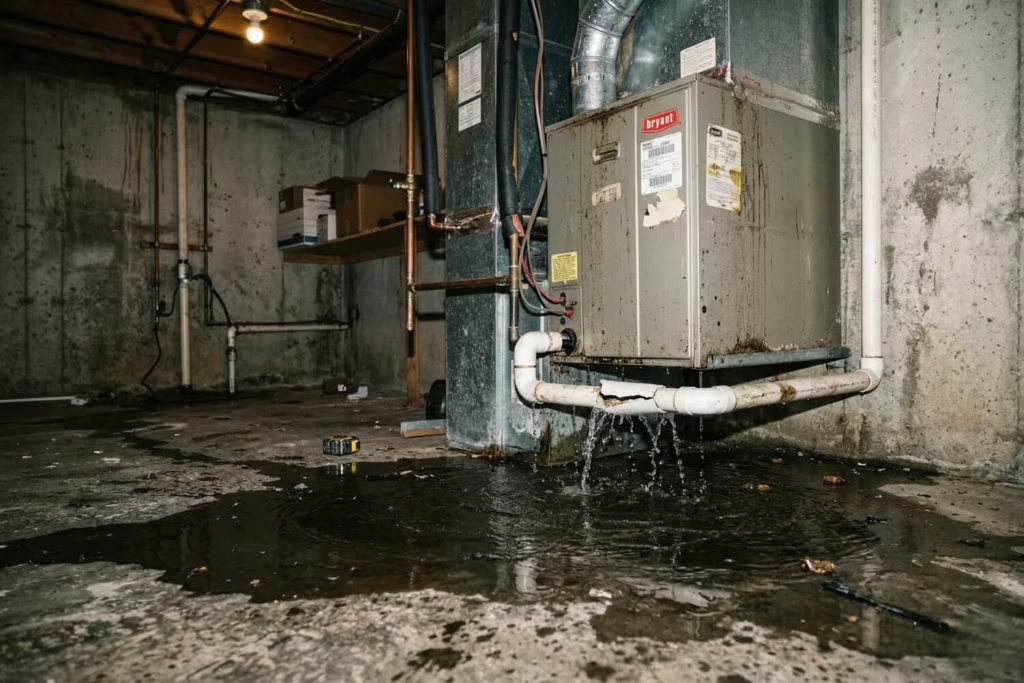
Your cooling system creates a lot of moisture when it pulls humidity out of the warm indoor air. This moisture drips into a drain pan and travels outside through a white PVC pipe. When you shut your system off for the winter, a small amount of water usually stays trapped inside that pipe.
That stagnant water sits in the dark for months. Dust, dirt, and airborne particles mix with the trapped moisture to create the perfect breeding ground for biological growth. By the time spring arrives, a thick layer of algae or sludge has formed a solid blockage inside the pipe.
When you finally turn the thermostat down on the first hot day, the new condensation has nowhere to go. The air conditioner condensate pan quickly overflows. This sudden spill leads directly to an unexpected HVAC water leak inside your home.
What Are The Financial Costs Of A Clogged AC Drain Line in Spring?
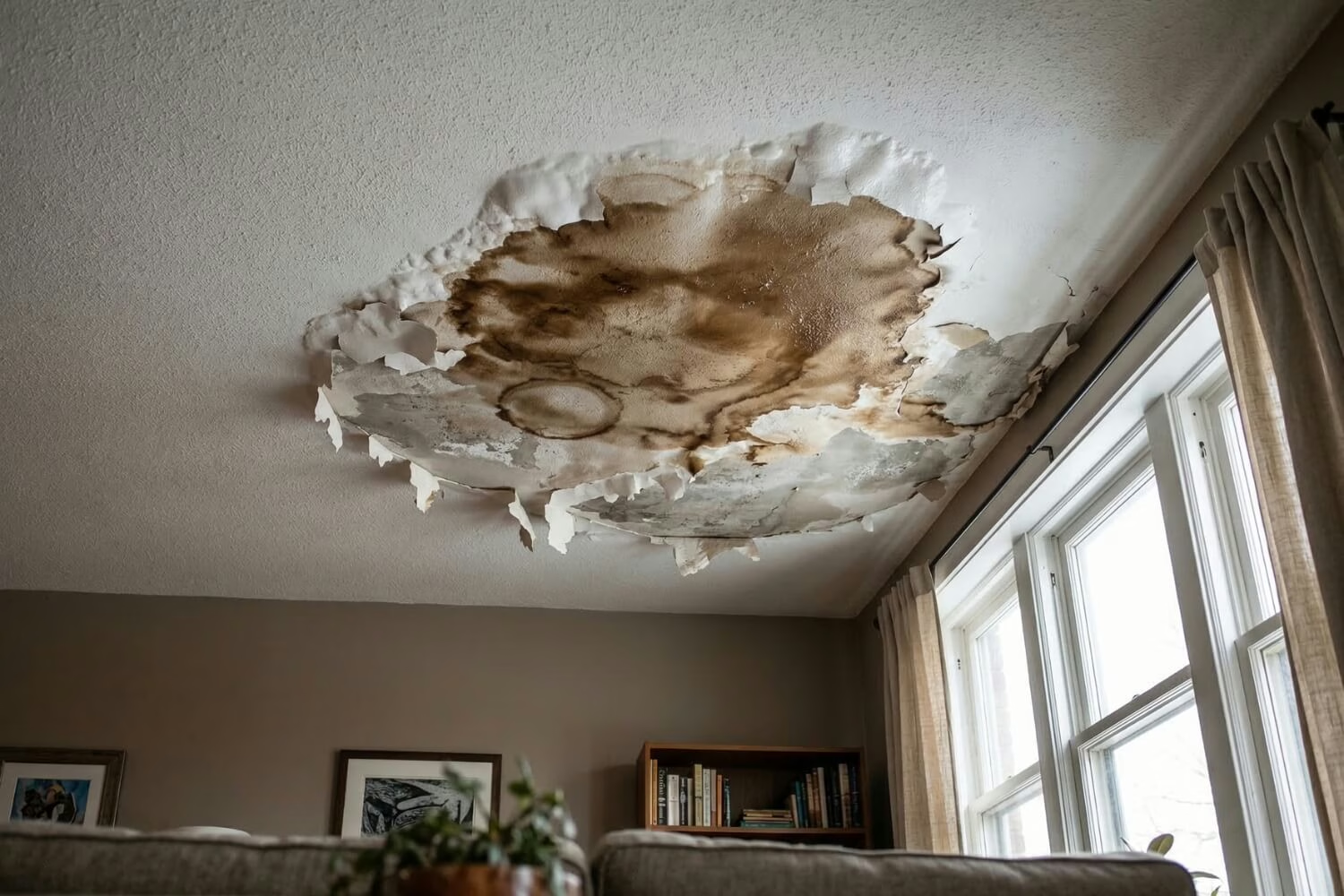
Water damage is incredibly expensive because it ruins building materials almost instantly. A slow drip might seem harmless at first. However, it can compromise the structural integrity of your home within a matter of days.
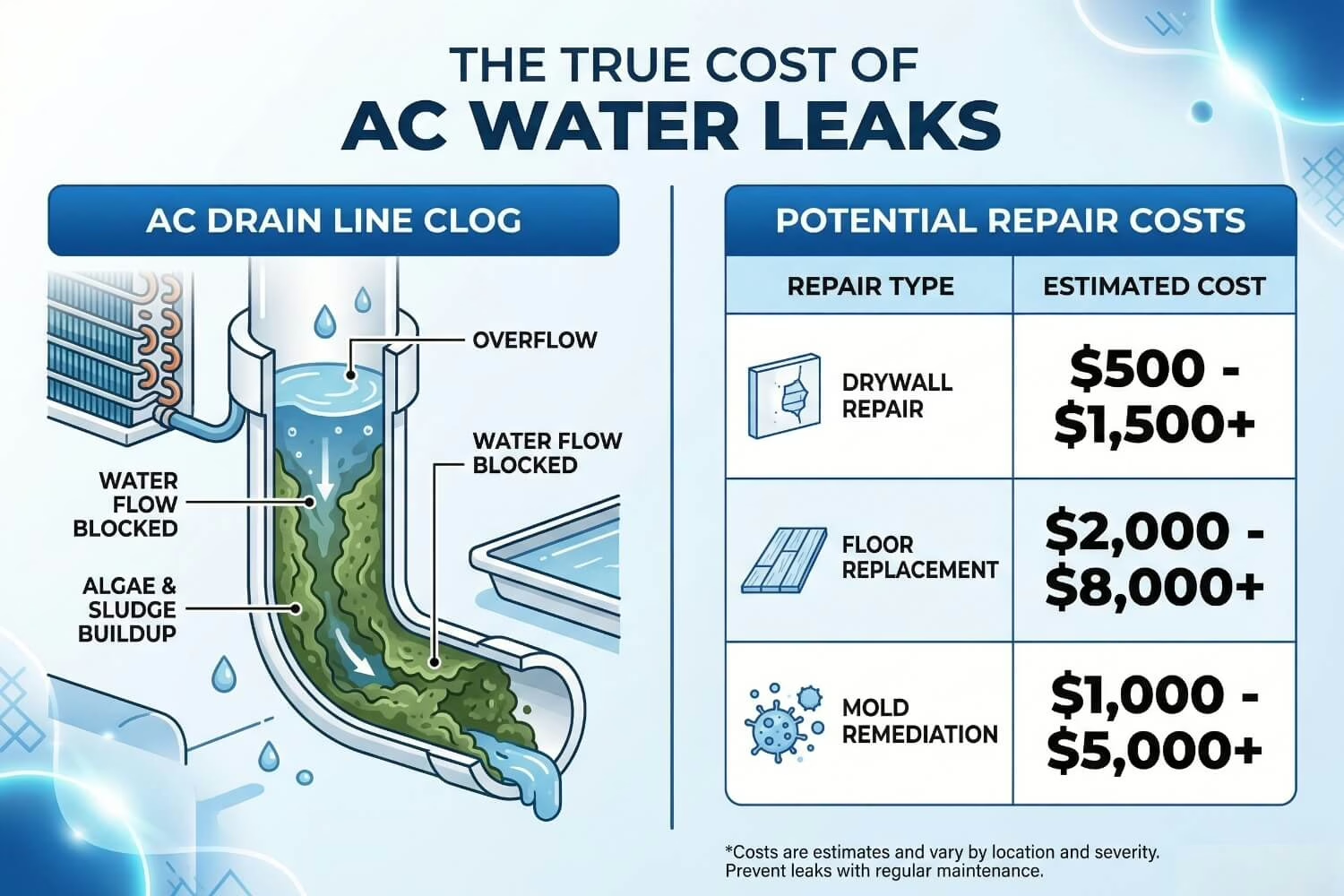
The Environmental Protection Agency (EPA) notes that mold can begin growing on damp surfaces within 24 to 48 hours. Once mold spreads into your insulation or drywall, you have a hazardous and costly remediation project on your hands. We outlined the typical expenses you might face when a clogged AC drain line in spring causes a severe leak.
| Type of Damage | Average Repair Cost | Repair Timeframe |
|---|---|---|
| Water-Stained Ceiling Drywall | $300 to $800 | 1 to 2 Days |
| Hardwood Floor Warping | $1,500 to $3,000+ | 1 Week |
| Mold Remediation | $1,200 to $4,000 | 3 to 5 Days |
| Electrical Wiring Damage | $500 to $1,500 | 1 to 2 Days |
How Can You Tell If Your AC Condensate Line Is Blocked?
Catching a blockage early is the best way to save your wallet. You should always inspect your indoor unit when you switch your thermostat to cooling mode for the season. Look closely around the base of the indoor air handler for any pooling water.
You might also notice a damp, musty smell coming from your air vents. This odor usually indicates standing water inside the system. If your air conditioner randomly shuts off and refuses to turn back on, a tripped float switch in the drip pan might be the culprit.
Another clear sign is a lack of water dripping from the exterior exhaust pipe. Go outside and look at the PVC pipe near your outdoor condenser unit while the system is running. If the AC is running but no water is dripping outside, you likely have a clogged AC drain line in spring.
How Do You Clear And Prevent An HVAC Water Leak?
You can sometimes clear a minor blockage yourself with a wet/dry vacuum. Connect the vacuum hose to the end of the drain pipe outside and suction out the algae. You can also pour a quarter cup of white vinegar down the access pipe near the indoor unit to kill remaining sludge.
However, heavily compacted clogs require professional tools and compressed air. Regular maintenance is truly the only reliable way to prevent these expensive disasters. If you want to avoid structural damage, you need to watch for early spring AC tune-up signs before the severe heat arrives.
We highly recommend scheduling a professional inspection every single year. A certified technician will flush the lines, check the drain pan for cracks, and ensure your system handles condensation properly. If you are already noticing water pooling around your furnace, reach out for professional AC repair immediately to stop the spread of moisture.
What Should You Do If You Find A Leak Today?
Turn off your air conditioning system at the thermostat immediately. This stops the production of new condensation and prevents the overflow from getting worse. Next, use dry towels or a shop vacuum to soak up the standing water around your unit.
Do not attempt to run the system again until the blockage is completely removed. Running a compromised unit will only push more water into your living space. Contact a trusted HVAC professional to clear the AC condensate line safely and restore your cooling.