 $25 OFF AC REPAIR | $139 MAINTENANCE
 Cooling
 Heating
 Water Heater
 Other Services
Does Closing Room Vents Damage Your Furnace?
Mar
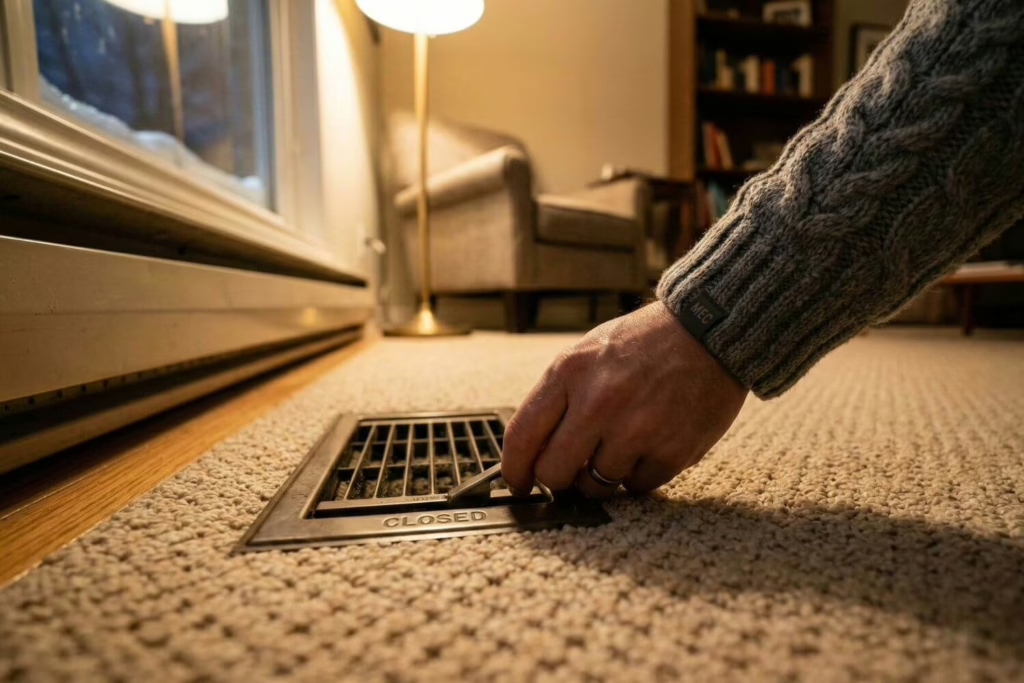
The truth about closing room vents damage is that it severely harms your HVAC system and will not lower your gas bills. Your furnace is engineered to push a very specific amount of air. When you block that airflow, you create dangerous pressure inside your ductwork. This traps heat, overworks your blower motor, and causes expensive mechanical breakdowns.
Does shutting vents in unused rooms save money?
Many people treat their central heating system like a portable space heater. They think turning off airflow to one room tells the furnace to burn less gas. This is completely false.
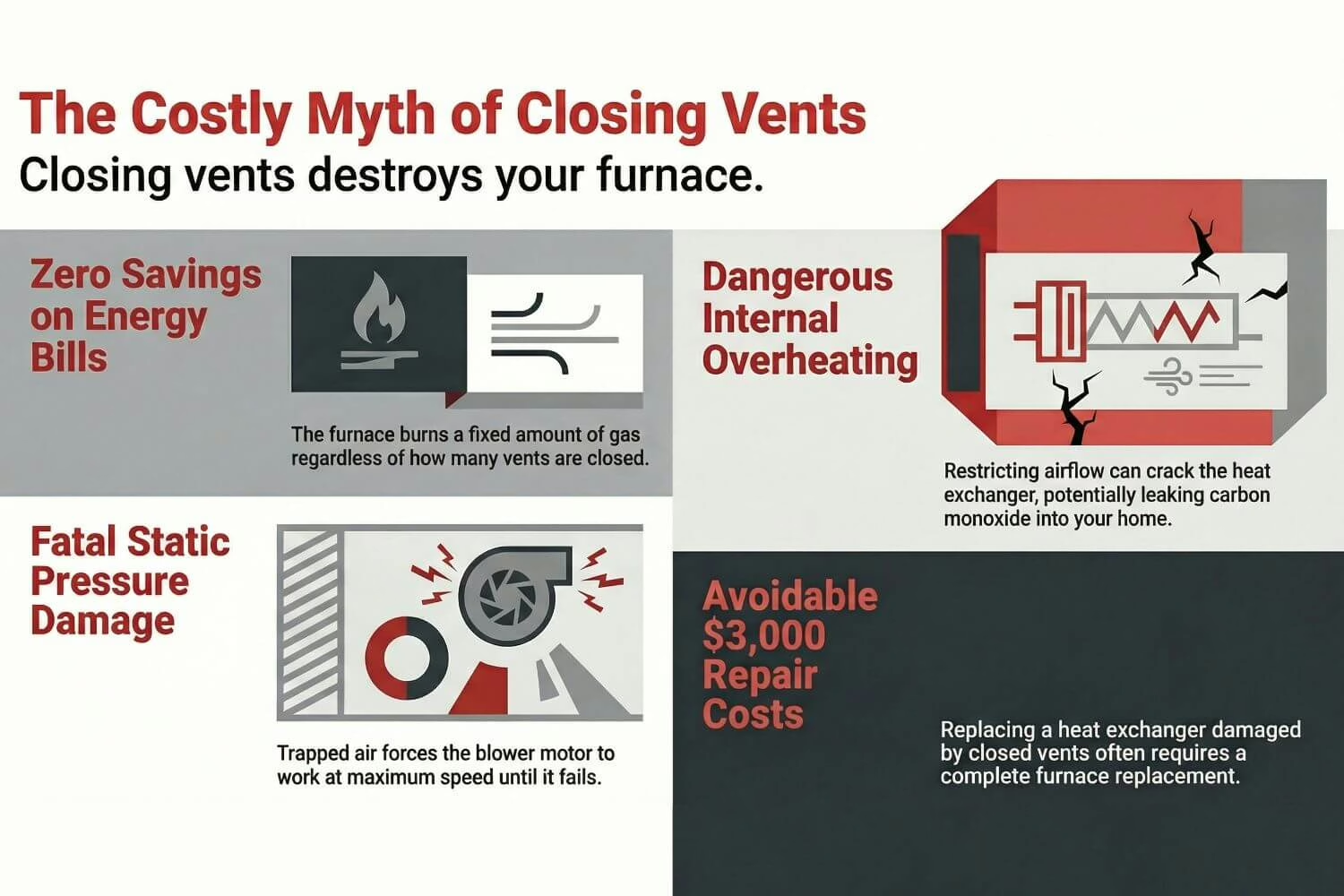
Your furnace produces a fixed amount of heat every single time it turns on. It does not magically reduce energy consumption just because a vent is closed. You are simply trapping expensive hot air inside your walls.
Here is the reality of what happens when you close your registers:
| Homeowner Expectation | The Mechanical Reality |
| Gas bills will go down. | The furnace burns the exact same amount of gas. |
| Warm air redirects to the living room. | Trapped air leaks out of duct seams into the attic. |
| The furnace runs less often. | The thermostat misreads the temperature and runs longer. |
| It saves wear and tear. | It overheats internal components and causes breakdowns. |
Why does blocking heating registers cause furnace failure?
Your ductwork is like a respiratory system. Your furnace must breathe in cold air and breathe out warm air in equal amounts. If you pinch its nose, the system begins to choke.
The physics of HVAC static pressure
Shutting the metal louvers on a floor register gives the forced air nowhere to go. This creates a severe physical phenomenon known as static pressure. This is the exact resistance to airflow within your sheet metal ductwork.
The air pushes hard against the closed vent and bounces backward. Your furnace blower motor is then forced to push against an invisible wall of heavy resistance.
The overheating heat exchanger
When you are restricting furnace air, extreme heat gets trapped inside the metal cabinet. The heat exchanger relies on a constant stream of cold air to keep it from melting.
Without moving air, the metal gets dangerously hot. This triggers a safety switch to shut down the gas burners. Repeatedly overheating this core will eventually cause the metal to crack and leak carbon monoxide.
What are the symptoms of shutting off room airflow?
If you have kept doors closed and vents shut all winter, your heating system is already suffering. Catching these warning signs early can save your equipment.
Walk around your house and open your vents immediately if you notice these mechanical symptoms:
- Rapid Short-Cycling: The furnace turns on, blows heat for two minutes, and abruptly shuts off.
- Screeching Noises: Your blower motor bearings are grinding due to extreme resistance.
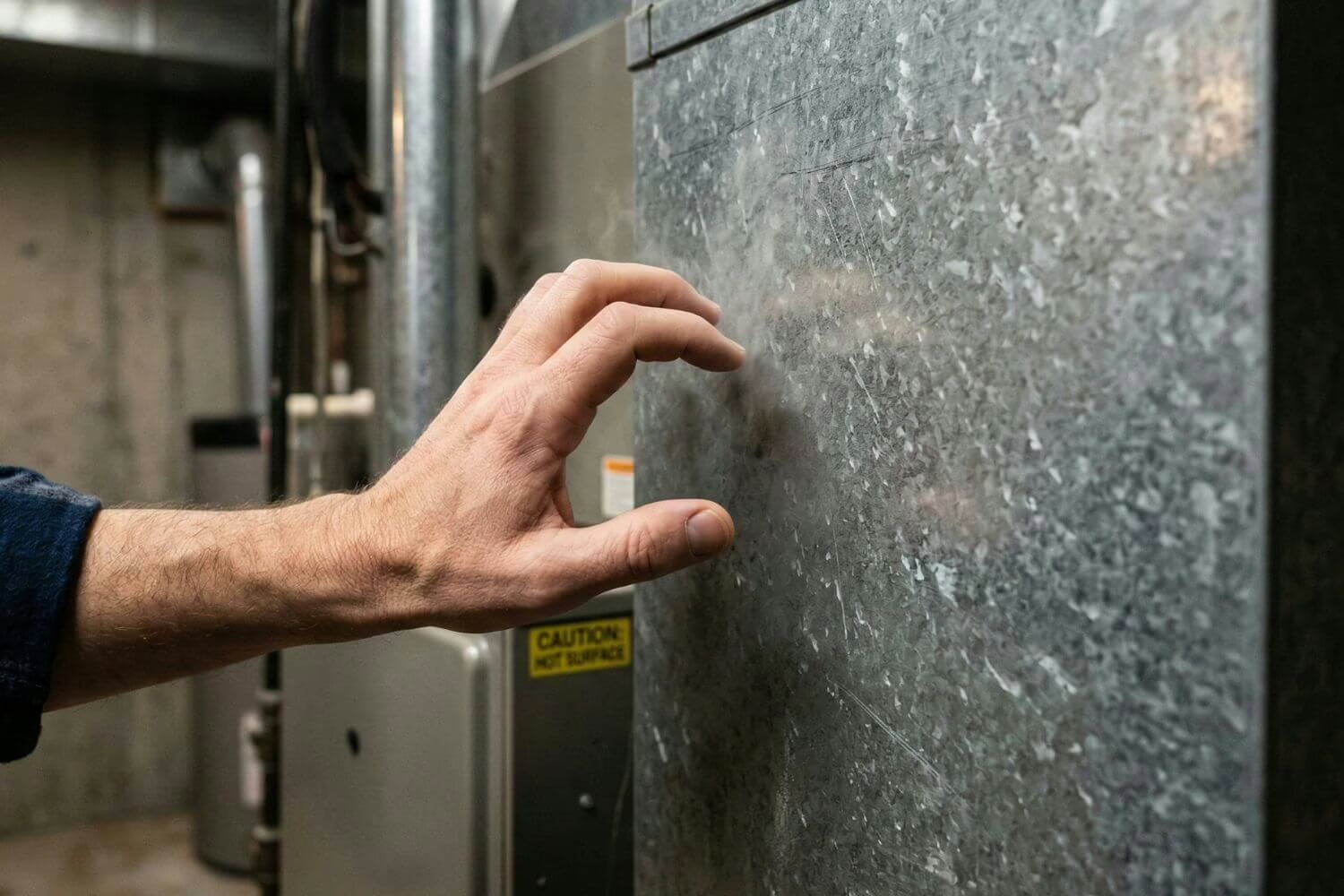
- Burning Hot Cabinet: The exterior metal of your basement furnace feels hot to the touch.
- Whistling Vents: High pressure is forcing air through the tiny cracks of closed registers.
Are you currently dealing with a unit that refuses to turn on? Check our guide on common furnace problems and troubleshoots to see if you triggered a safety lockout.
How much does it cost to fix furnace blower motor failure?
Modern heating systems use highly advanced ECM blowers. These intelligent motors are programmed to force air through any blockage they detect.
Because you permanently blocked the vent, the motor will run at maximum speed indefinitely. It will eventually overheat and completely fry its electronic control module.
Here is what this easily avoidable mistake will cost you out of pocket:
| Damaged Component | Average Repair Cost | The Hidden Reality |
| Emergency Diagnostic Fee | $150 to $250 | Required just to get a technician to your door. |
| High Limit Safety Switch | $150 to $300 | Requires highly skilled labor to test and replace. |
| ECM Blower Motor | $800 to $1,200+ | Requires expensive manufacturer parts. |
| Cracked Heat Exchanger | $1,500 to $3,000+ | Usually means you must buy a completely new furnace. |

What is the proper way to adjust room temperature safely?
You do not have to endure an overly hot bedroom just to protect your equipment. There are safe ways to balance your home’s temperature. You simply need to follow a few mechanical rules.
You must never completely seal a vent. You can partially close a register to reduce airflow, but you must always leave it at least twenty percent open.
Here is a quick reference guide for safe airflow adjustments:
- Floor Registers: Partially close them by up to 80 percent, but never shut them tight.
- Large Wall Returns: Vacuum the dust off them regularly. Never block them with sofas or rugs.
- Interior Doors: Keep bedroom doors cracked open at least two inches during the day.
- Thermostat Fan: Switch the fan setting from “Auto” to “On” to circulate trapped air.
If you still struggle with uneven temperatures, you likely have ductwork issues. It is always best to schedule a professional furnace repair diagnostic to calibrate your fan speeds correctly.
Leave your vents open and let your heating system breathe. If you truly want to lower your bills, focus on adding window weatherstripping instead of suffocating your expensive HVAC equipment.