 $25 OFF AC REPAIR | $139 MAINTENANCE
 Cooling
 Heating
 Water Heater
 Other Services
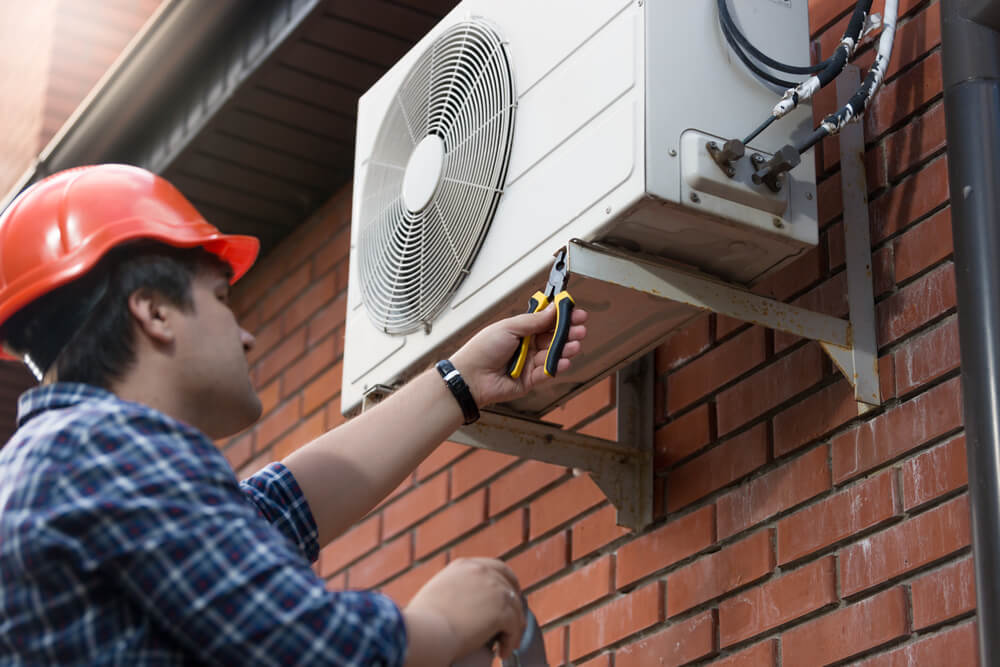
Olds HVAC Services
If you’re searching for professional AC or furnace services in Olds, our team is ready to assist. We provide expert repairs, system upgrades, and full installations, making us a reliable HVAC partner for homeowners throughout Olds.

Why Choose Us?
Trusted HVAC Service Provider
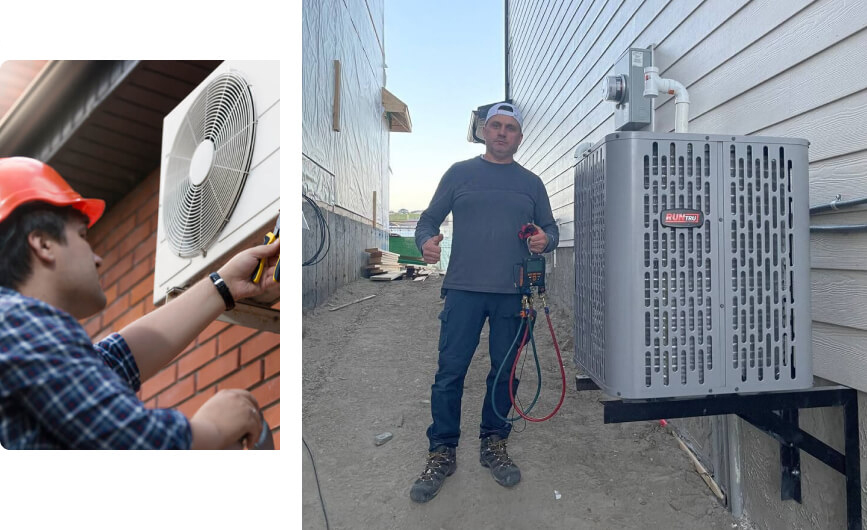
At One Stop HVAC, we deliver dependable heating and cooling services for homeowners across Olds. Our technicians focus on efficient repairs and professional installations designed to improve comfort and system reliability. With our company you get:
- Convenient service 7 days a week
- Experienced HVAC repair professionals
- Flexible installation and repair solutions
- Equipment from well-known industry brands
Our Services in Olds
Heating and Cooling Services
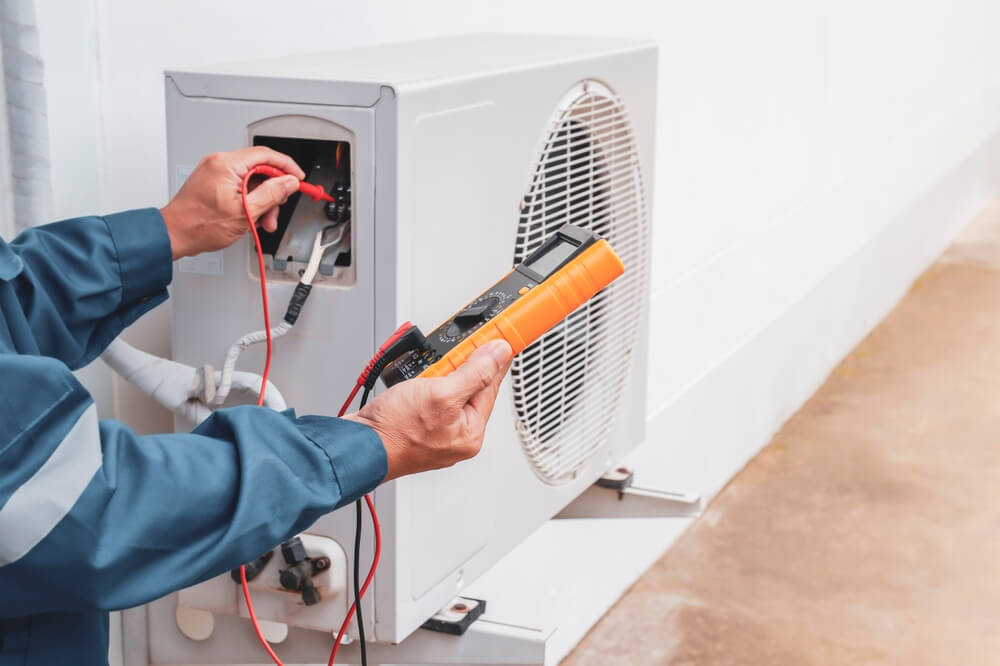
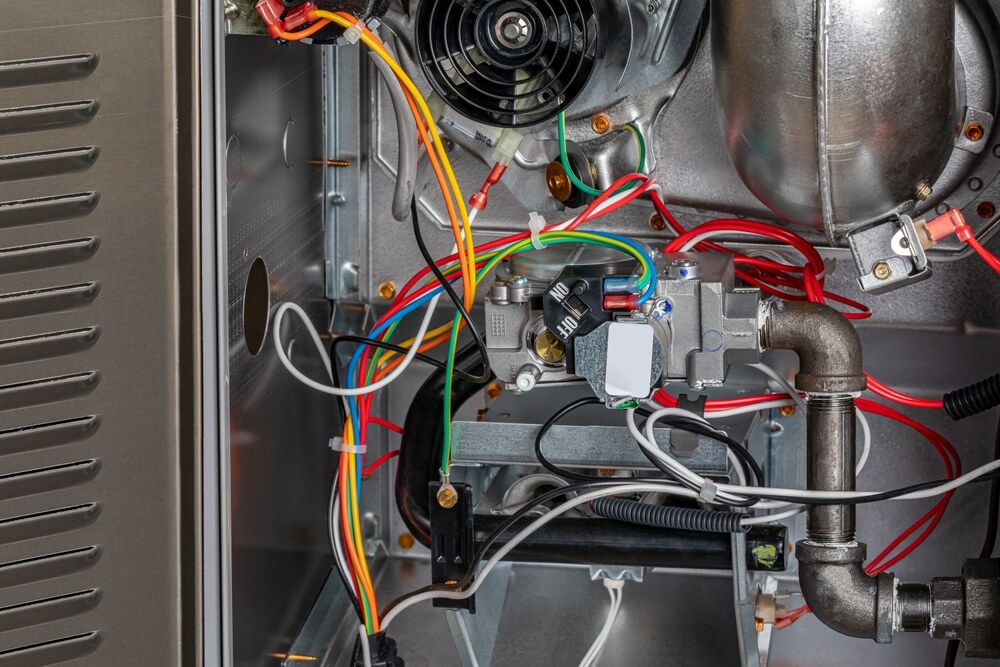

Service Availability
7 Days a Week

Top Rated
On Google

Licensed
Techs & Gasfitters

Served Hundreds Of
Local Residents

Great Prices
Always!

Get Your Free
Estimate Today
Your Trusted Partner
Dependable Emergency HVAC Support
When your HVAC system breaks down unexpectedly, you need a company you can rely on. One Stop HVAC offers emergency appointments for homeowners in Olds, providing quick and professional service when it matters most.
Our team works efficiently to diagnose problems and deliver reliable repairs or installations, ensuring your heating and cooling system is back in operation as soon as possible.

Hot Deals on Heating and Cooling
Grab Your Exclusive Coupon Now

ONLY $139
AC INSPECTION
Safety & Maintenance Inspection.

ONLY $139
FURNACE INSPECTION
Safety & Maintenance Inspection.

10% OFF
SENIORS DISCOUNT
We offer seniors 10% off on all labour.
Air Conditioning Installation Olds
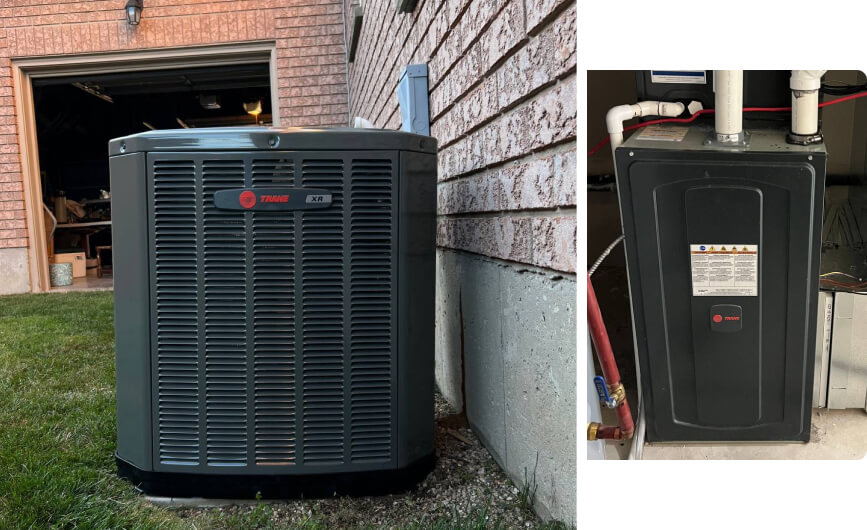
A properly installed air conditioning system is essential for maintaining comfortable indoor temperatures in Olds. Our experienced HVAC technicians specialize in installing high-performance cooling systems that deliver reliable comfort and improved energy efficiency.
We evaluate your property and recommend the most suitable AC system for long-term performance.
What factors influence the cost of AC installation?
The cost of AC installation in Olds can vary depending on system capacity, energy efficiency rating, and installation requirements. Homes that require additional ductwork or electrical modifications may have higher installation costs.
Why is correct AC sizing important?
Installing an AC unit that is too small or too large can reduce system efficiency. Professional HVAC sizing calculations ensure that the system can cool your home evenly while minimizing energy consumption.
Where should an outdoor AC unit be installed?
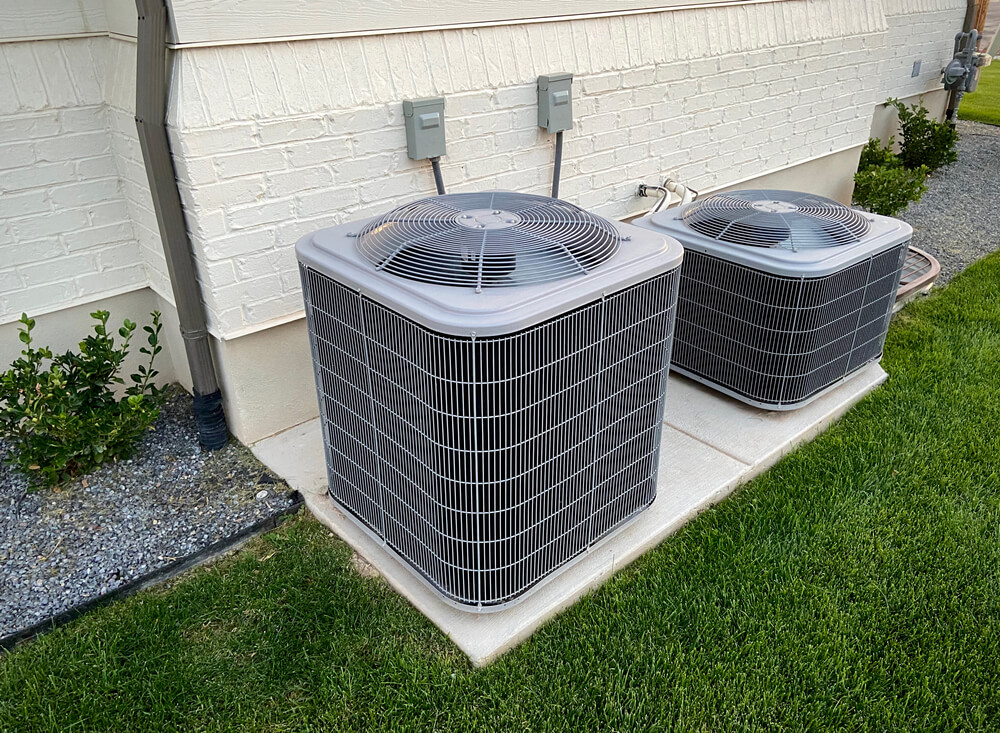
Outdoor condenser units are typically installed beside the home with enough clearance for airflow and maintenance. Local bylaws may regulate the minimum distance from property lines.
Can an old AC system be replaced quickly?
Replacing an existing system is usually faster than installing a completely new system. If existing ducts and electrical connections are compatible, the process may be completed within a single day.
Do new air conditioners use less electricity?
Modern AC systems are designed with improved efficiency ratings, meaning they can cool your home while using less energy compared to older units.
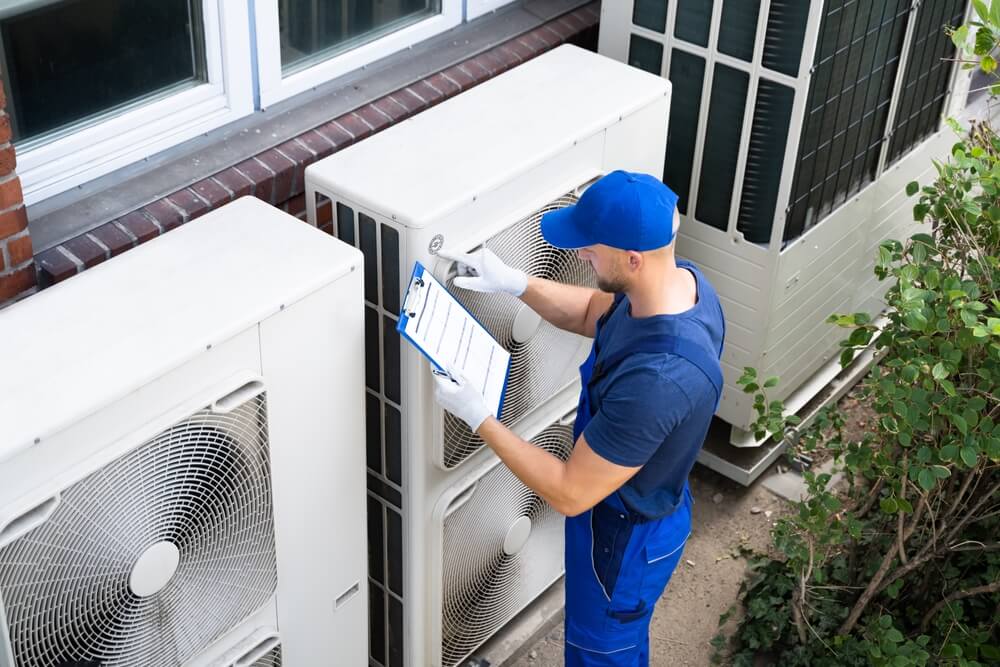
Air Conditioning Repair Olds
With a team of licensed technicians well-versed in the complexities of AC repairs in Olds, we bring years of experience to the table. Whether it’s providing on-site solutions or diligently returning to tackle more challenging repairs, we’ve got you covered. Rest assured, our 24/7 AC repair services in Olds are always by your side!
Should I repair or replace my air conditioning unit?
Making the decision between repairing or replacing your HVAC system is a common dilemma for homeowners. While each situation is unique, we’ve compiled a list of essential factors to consider that will guide you in making an informed choice.
Age of Your Unit: Consider the age of your air conditioning unit. Typically, air conditioners have a lifespan of around fifteen to twenty years with proper maintenance. If your AC unit is approaching or has already exceeded this range, it may be more cost-effective and practical to invest in a new unit rather than spending significant amounts on frequent repairs.
Current Efficiency: Evaluate the efficiency of your existing unit. Older units tend to be less efficient and may result in higher energy bills. Air conditioner efficiency is rated by SEER (Seasonal Energy Efficiency Ratio), and upgrading to a higher SEER-rated model can lead to significant energy savings in the long run.
Humidity Levels: Assess the humidity levels in your home. Properly sized and functioning air conditioning units play a crucial role in maintaining optimal humidity levels indoors. An incorrectly sized or underperforming AC system may lead to discomfort and inadequate humidity control.
Noise Level: Take note of the noise level of your current unit. Noisy air conditioners can be disruptive and bothersome, particularly if the unit is close to living spaces or bedrooms. Upgrading to a newer model can significantly reduce noise levels and enhance your overall comfort.
Repair Costs: Factor in the cost of repairs. Minor repairs may be cost-effective, but if your AC unit experiences major component failures, it might be more economical to replace the entire system. Compare the repair costs with the investment in a new, more efficient unit to determine the best long-term solution.
In conclusion, when deciding whether to repair or replace your air conditioning unit, it’s essential to consider its age, efficiency, humidity control, noise level, and repair costs. Consulting with a professional One Stop HVAC technician can provide valuable insights and help you make the best choice for your home comfort and budget.
How often should I have my AC unit serviced?
It is recommended to have your AC unit serviced once a year. Regardless of the type of air conditioning equipment you have, regular inspection, cleaning, and servicing are essential to ensure optimal performance and efficiency.
Regular AC maintenance offers several benefits, with one of the most significant being cost savings. By having your unit serviced regularly, potential issues can be detected and addressed early, preventing them from becoming larger and more expensive problems later on.
An unserviced AC unit can lose up to 5% efficiency each year and consume more energy, leading to higher energy bills. Additionally, the lack of routine maintenance puts extra strain on the system, potentially reducing its lifespan by as much as 50%. Considering that the cost of a new air conditioner can be expensive, investing in regular servicing is a wise and cost-effective choice for any homeowner.
Why is my air conditioning unit not blowing out cold air?
There are several potential reasons for your AC unit not blowing cold air, some of which can be resolved easily, while others require professional assistance. Here are common issues to check and how to address them:
Leaking or Low Refrigerant: If your central AC isn’t cooling properly, low refrigerant levels could be the culprit. A refrigerant leak not only affects cooling but also raises humidity levels in your home, making it feel warmer. Contact One Stop HVAC, who will be able to assist diagnose and fix refrigerant leaks.
Dirty or Clogged Filters: AC units can malfunction if the air filters are dirty or clogged. Change filters every three months, more frequently if you have pets. Clogged filters restrict airflow, potentially leading to more significant problems and faster wear of AC components.
Issues with Evaporator Coil or Condenser: Over time, coils can develop problems due to moisture, mildew, and freezing. One Stop HVAC technicians can handle coil maintenance and repairs.
Blocked or Clogged Registers/Vents: Blocked air registers or vents restrict airflow and hinder cooling. Inspect and clear any blockages in the ventilation system, including ductwork leaks.
Thermostat Issue: Ensure the thermostat is set to “cool” or “auto.” If the AC still doesn’t turn on, check the thermostat’s batteries or have it examined by an One Stop professional.
Why is my AC unit making strange noises?
If your AC unit is making unusual noises, it could be due to various reasons. Here are some common noises and their possible meanings:
Banging Noise: Loose or broken parts in the compressor or unbalanced indoor blower.
Clanking Noise: Indicates loose or broken parts inside the sealed unit or an unbalanced fan hitting other components.
Clicking Noise: Normal during start-up and shutdown, but ongoing clicking may suggest issues with fans, capacitor, electrical signals, or thermostat.
Buzzing Noise: Caused by loose parts, debris, failing fan motor, unbalanced fan blades, or other issues.
Squealing Noise: Mechanical or air pressure issue, such as a malfunctioning blower and fan.
Humming Noise: Usually not serious, but indicates something off inside the AC that may lead to maintenance issues.
Chattering/Rattling Noise: Sign of a deteriorating AC or clogging due to twigs or leaves; can be caused by a loose fan or damaged compressor.
Whistling Noise: Could indicate a refrigerant leak or high internal pressure in the compressor; requires immediate professional attention.
Pulsating Noise: Normal during AC operation, but if it’s loud and continuous, something may have come loose inside the unit.
Whirring Noise: Possible mechanical problems with indoor blower fan motor or faulty fan in either indoor or outdoor unit; seek professional assistance.
How often should you change the AC filter?
The frequency of AC filter changes depends on various factors. Consider the following questions before deciding when to replace your AC filter and always consult a professional for AC repair and service:
What type of AC filter do you use?
- Standard 1 to 3-inch air filters should be replaced every 30 to 60 days for allergy-free homes.
- If you suffer from light to moderate allergies, consider changing or replacing the filter every three weeks.
How is your home’s indoor air quality?
- Excellent, good, fair, or poor (e.g., someone smokes indoors).
- Strange smells from the AC system may indicate a need for a tune-up.
What type and number of pets do you have?
- Homes with pets may require more frequent filter changes.
- With multiple pets, consider changing filters every 20 to 45 days.
How many people live in your home?
- Larger households may benefit from more frequent air filter changes (every 20 to 45 days).
What is the level of outdoor air pollution around your house?
- Rural areas or vacation homes may have less air pollution.
- Construction projects or heavily-traveled roadways nearby may require filter changes every 30 to 60 days.
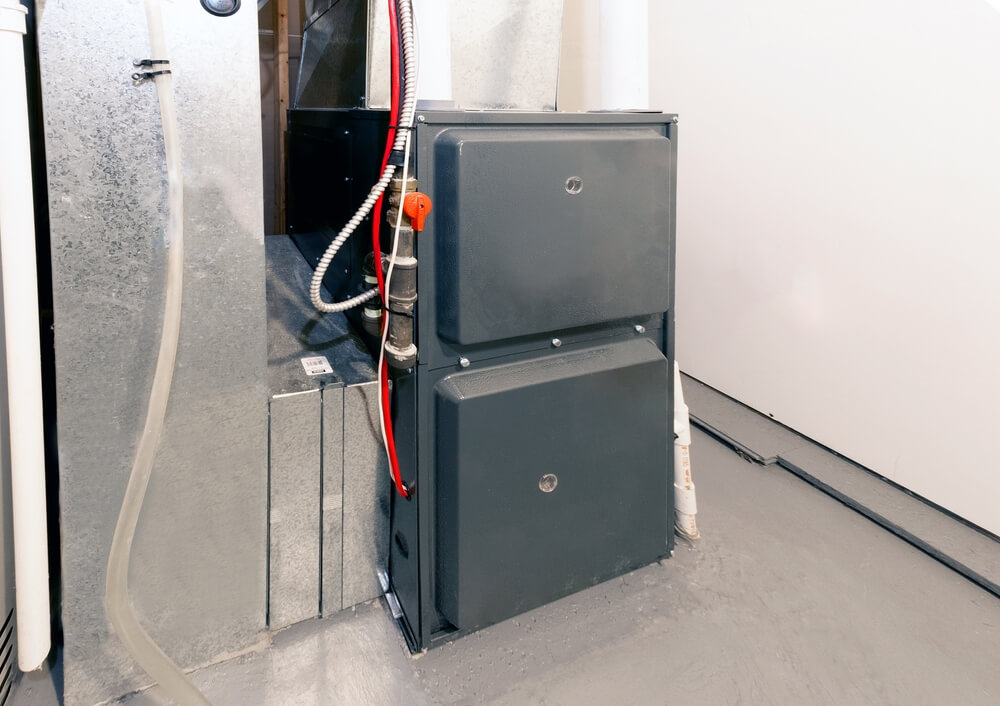
Furnace Installation Olds
Our team at Olds provides reliable furnace installations with top-brand units, ensuring energy-efficient heating tailored to your home layout and requirements.
How much does it cost to install new furnace?
Installation costs typically range $5,500–$8,500 in Olds. Price depends on brand, unit features, and installation needs.
- Home Size: Larger homes = larger furnaces.
- Brand & Type: Different efficiency and features.
- Installation Complexity: Venting, removal, modifications.
- Extra Costs: Fuel conversions, code compliance, relocation.
How do I determine what size furnace I need?
BTU-based sizing reference:
| Room Size | Required Heating Capacity (BTU) |
| 500 square feet | 12000 BTUs |
| 1000 square feet | 24000 BTUs |
| 1500 square feet | 36000 BTUs |
| 2000 square feet | 48000 BTUs |
| 2500 square feet | 60000 BTUs |
Do I need a permit for my new furnace?
Permit needed in Olds. Guidelines:
- 1.0m into side yard max
- 0.2m minimum from property line
- 3.0m side setback if no alley & garage present
How long does a furnace installation take?
4–8 hours depending on furnace complexity, ductwork, electrical/gas adjustments, and home size.
How do I prepare for an furnace installation?
- Professional heating needs assessment
- Duct inspection & repair
- Clear installation pathway
- Programmable thermostat & air purification
- Be present during installation
- Preventive maintenance plan setup
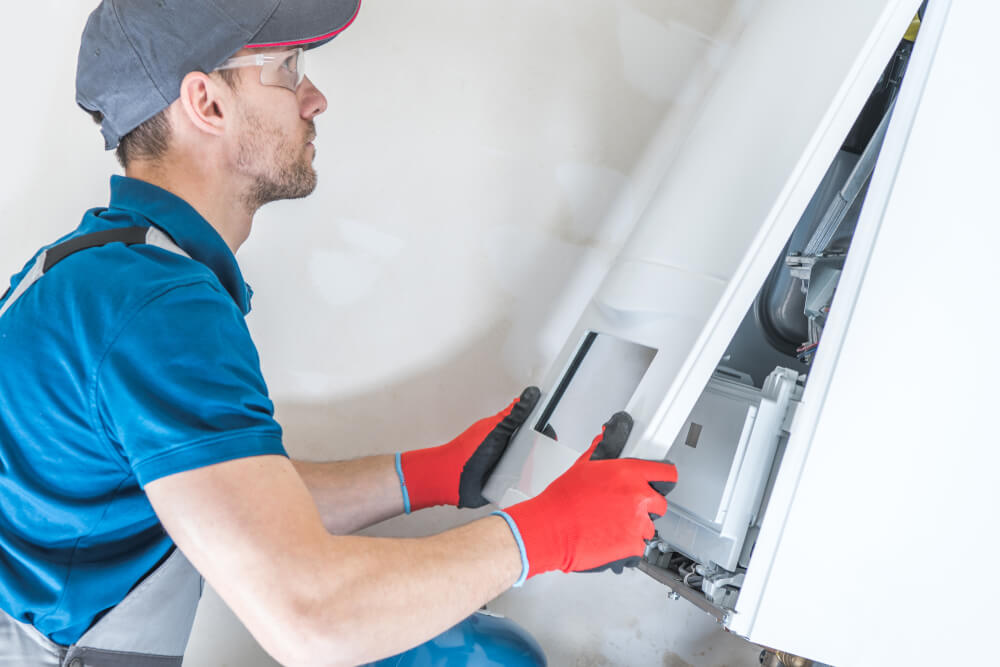
Furnace Repair Olds
We offer reliable furnace repairs in Olds that you can trust. Our commitment to your comfort extends around the clock, ensuring you’re never left in the heat. Day or night, One Stop HVAC stands by your side as your dedicated partner, offering efficient furnace repair solutions that prioritize long-term cost-effectiveness.
Should I repair or replace my furnace?
When deciding whether to repair or replace your furnace, consider the following factors:
Age of the Furnace: If your furnace is around 10 years old or older, it’s time to think about replacement, as older models may become less efficient and require more repairs.
Costly and Frequent Repairs: Constantly repairing your furnace can be costly and indicate underlying issues. It may be safer and more cost-effective to invest in a new furnace.
Rising Energy Bills and Inefficient Heating: Older furnaces may lose efficiency over time, leading to higher energy bills without providing sufficient heat. Upgrading to a newer, more efficient model can save money.
Declining Air Quality: An aging furnace may struggle to maintain proper air filtration and humidity control, resulting in dry, stuffy air. Consider upgrading your home’s air quality system when replacing the furnace.
Desire for Energy Efficiency: Upgrading to an energy-efficient furnace, like a heat pump, can lead to long-term savings on energy bills and improved indoor air quality.
If you have more questions about your furnace whether you should be repairing or replacing your furnace, then please don’t hesitate to contact one of our team members to schedule an on-site evaluation with one of our technicians.
How often should I have my furnace serviced?
We recommend scheduling furnace maintenance every 1-2 years (ideally once a year) and duct cleaning every 3 to 5 years for optimal system performance and indoor air quality.
Signs You Need Furnace Maintenance and Duct Cleaning:
Dirt & Debris Build-Up: If you notice excessive dirt around your vents or dirty air filters, it’s time for HVAC duct cleaning.
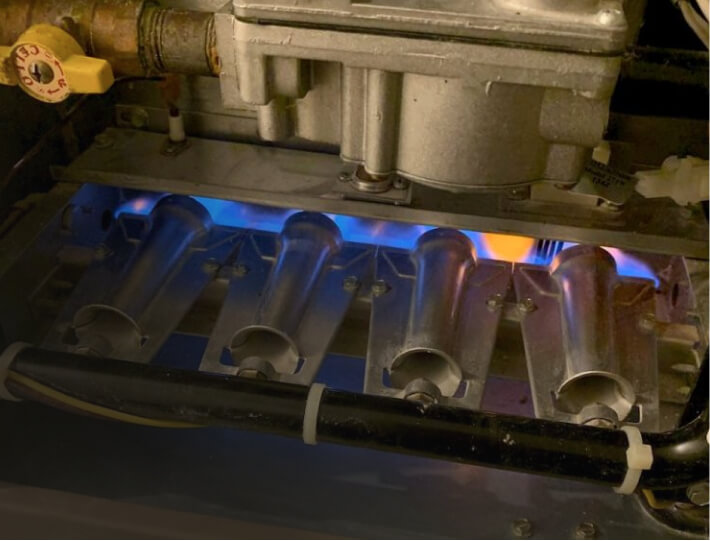
Yellow Furnace Flames: Orange or yellow flames indicate a dirty burner or flame sensor, requiring emergency furnace maintenance to prevent potential carbon monoxide leaks.
Frequent Furnace Repairs: Regular breakdowns may be a sign of a clogged system, and professional cleaning can save on repairs and extend the furnace’s lifespan.
Furnace Leaking Water: A clogged condensate line causing water leakage requires professional furnace cleaning.
Furnace Turns On & Off: “Short cycling” issues may stem from clogged filters or flame sensors, necessitating prompt furnace maintenance.
Furnace Blows Cold Air: Cold air from the furnace may be due to a blocked condensate line, requiring cleaning to restore proper heating.
High Energy Bill: A build-up of dust and grime can reduce energy efficiency, making regular furnace maintenance a cost-effective solution.
What is the average life expectancy of a furnace?
A well-maintained furnace typically lasts 15 to 20 years or even longer with annual maintenance and timely repairs. However, factors like proper sizing, installation quality, routine maintenance, and thermostat settings can significantly impact its lifespan. Here are the key factors affecting your furnace’s life:
Furnace Size: Ensure your furnace is appropriately sized for your home to prevent excessive cycling, which can cause wear and tear.
Poor Furnace Installation: Professional installation is vital to avoid issues with ductwork, drainage systems, and fuel lines.
Lack of Routine Maintenance: Neglecting maintenance leads to dirty buildup, restricted airflow, and inefficient heat transfer.
Thermostat Settings: Setting the thermostat at an energy-efficient temperature helps maintain the furnace’s lifespan by preventing excessive cycling.
How can I avoid furnace repairs?
Taking proactive measures can help prevent potential furnace repairs and ensure the longevity of your HVAC system. Here are essential steps for proper care and maintenance:
Replace/Clean Your Air Filter Regularly: Dirty air filters strain your system, increase heating/cooling costs, and reduce motor and coil life. Regularly changing/cleaning your air filter is crucial to prevent future issues.
Keep up with Preventative Maintenance: Regular HVAC tune-ups and air filter changes are essential for comfort and detecting small issues before they become significant problems. Enrolling in an annual preventative maintenance plan offers convenience and savings.
Watch Your Vents: Avoid closing off more than 20% of your home’s registers to maintain proper airflow and reduce strain on the system.
Keep the Area Around Your Furnace Clean: Avoid obstructing the furnace with objects like furniture, toys, or boxes, which can block return air grilles and hinder the furnace’s performance.
Call Us If You Suspect Something Is Wrong: Don’t ignore signs of potential issues like ignition problems, strange noises, or short cycling. Addressing problems promptly can prevent safety risks and more expensive repairs.
How often should I change the filter in my furnace?
It is recommended to check your furnace filter every 30 days and change it every 3 months. However, certain conditions in your home may require more frequent filter replacements. Here are some factors to consider:
Dust: If your indoor air is notably dusty, especially during home renovations or dusty activities, the filter may clog up faster, necessitating more frequent changes.
Pets: Pet fur and dander can accumulate in the filter, requiring more frequent replacements, especially if you have furry companions.
Allergies and Asthma: For households with allergy or asthma sufferers, it is crucial to maintain clean air quality. Changing the furnace filter more often can help improve indoor air and alleviate breathing difficulties.
Heavy HVAC Use: During extreme weather conditions when your heating or cooling system runs constantly, the filter may gather more debris, leading to increased clogging and the need for more frequent replacements.
Remember to inspect your furnace filter regularly and adjust the replacement schedule based on the conditions in your home to ensure optimal performance and indoor air quality.
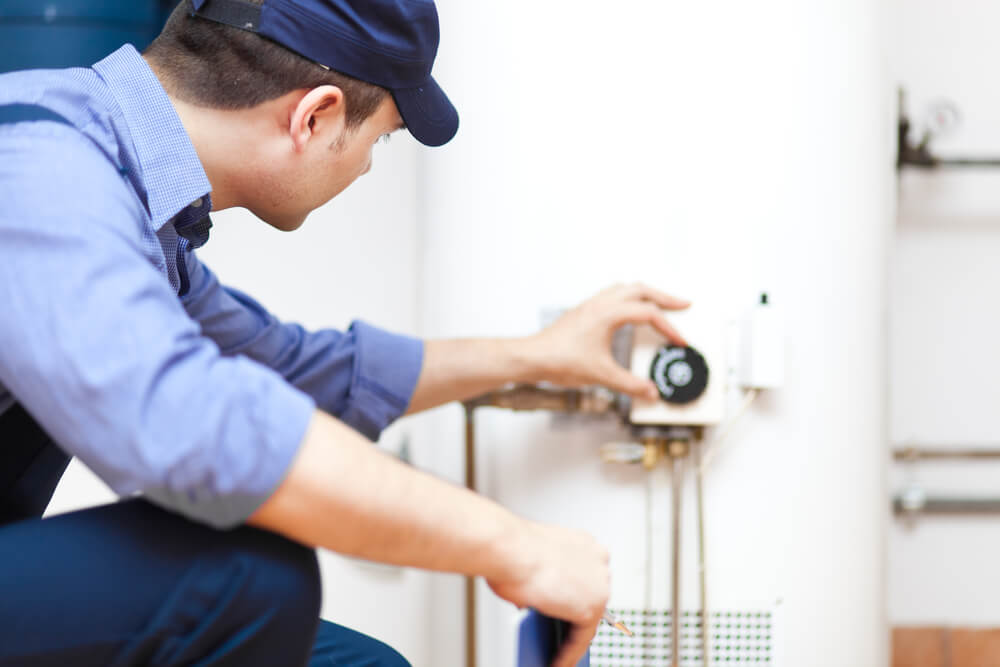
Water Heater Installation Olds
We specialize in professional water heater installations in Olds, providing durable solutions from top-tier manufacturers for consistent hot water throughout your home.
How much does it cost to install new water heater?
Installation costs usually range from $2,400 to $3,500+. Factors include:
- Tank type (traditional, tankless, heat pump, solar)
- Brand and efficiency
- Tank capacity
- Warranty coverage
- Whether installation is included
- Installer expertise
What size of water heater do I need?
Household water usage guide:
- 1–2 people: 30–40 gallons
- 2–3 people: 40–50 gallons
- 3–4 people: 50–60 gallons
- 5+ people: 60–80 gallons
FHR for peak hour usage:
- Bath/shower: 20 gallons/person
- Hair wash: 6 gallons/person
- Hand wash: 2 gallons/person
- Dishwashing: 6 gallons
- Shaving: 3 gallons
- Dishwasher: 14 gallons
- Clothes washer: 30 gallons
Do I need a permit for my new water heater?
Permits are generally needed for:
- New plumbing construction or changes
- Replacement of water/sewer lines
- Modifications to gas or venting systems
- Switching to a different water heater type
Simple repairs and fixture replacements don’t require a permit.
How do I prepare for my water heater installation?
- Assess water consumption
- Inspect and repair plumbing system
- Clear installation space
- Consider programmable thermostat installation
- Optional water filtration or softening
- Be available on installation day
- Ask about preventive maintenance plan
How long does it take to install a new water heater?
Standard installation: 2–3 hours. May require follow-up for more complex setups.
Expert Water Heater Repairs in Olds
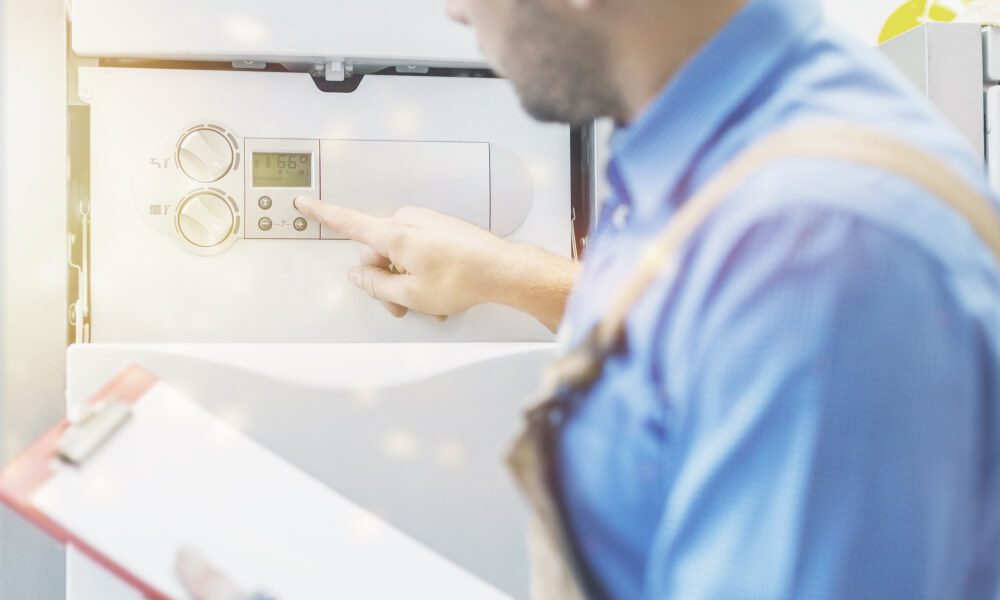
Our team in Olds specializes in professional water heater repair, ensuring your home maintains a reliable hot water supply while minimizing long-term costs.
What should I do if my water tank leaks?
- Locate the source of the leak
- Turn off electricity or gas supply
- Shut off water using the local or main valve
- Contact One Stop HVAC for expert repair
Why is my hot water running out so quickly?
- Water heater too small for household needs
- Sediment buildup inside the tank
- Incorrect thermostat settings
- Faulty heating elements
- Worn pipes or valves
- Unit is over 10 years old
How often should I service my water heater?
Annual maintenance, including flushing the tank, is essential to prevent sediment buildup, improve efficiency, and extend the lifespan of your water heater.
What happens if I don’t flush my water heater?
Failure to flush leads to sediment accumulation, reduced efficiency, unusual noises, and potential damage to pipes or the tank. Follow proper flushing steps above.
How do I know when to replace my water heater?
- Rusty or discolored water
- Insufficient hot water supply
- Leaks at the base of the tank
- Unusual popping or rumbling noises
- Water heater older than 10 years
- Frequent repairs needed
- Significant sediment buildup
Gas Line Installation Olds
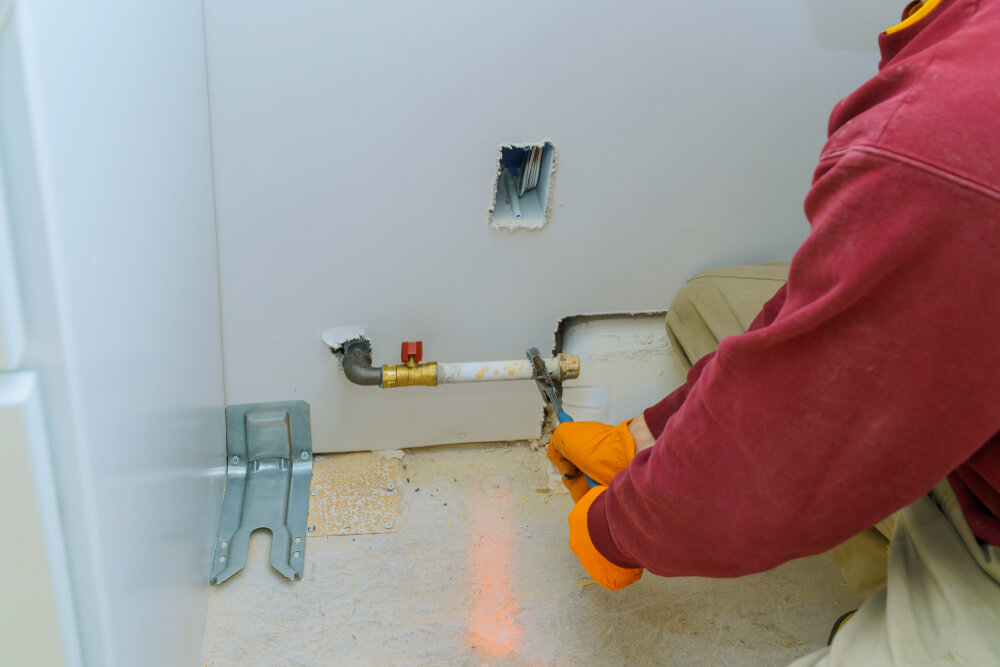
At One Stop HVAC, we pride ourselves on offering expert and professional gas line installations in Olds. Our team of licensed professionals have years of experience, ensuring a seamless and efficient installation process. We offer 24/7 appointment availability, so give us a call to schedule your appointment today!
Why is it important to hire professionals for gas line installations?
It is really important to ensure that you hire a licensed professional to install your new gas line. Here are some of the reasons why:
Safety: Hiring a licensed gas line technician ensures that your gas line system is installed and maintained properly, greatly reducing the risk of accidents and ensuring the safety of your family and property.
Efficiency: Professional gas line technicians can optimize the performance of your gas appliances and fixtures, leading to improved energy efficiency and lower utility bills.
Durability: With expert installation and maintenance, your gas appliances and fixtures are likely to have a longer lifespan, saving you from premature replacements and costly repairs.
Cost Savings: By improving the overall efficiency of your gas system, professionals can help you save money in the long run by reducing energy consumption and identifying areas for further improvements.
Compliance: Licensed professionals ensure that your gas line installation meets all local and national codes and safety regulations, keeping you in adherence to standards and preventing potential problems and fines.
Investing in professional gas line installations is a vital step in maintaining a safe, efficient, and compliant gas line.
How long does a gas line installation take?
The duration of a gas line installation varies depending on several factors, all of which are carefully considered by our team of experts at One Stop HVAC. Factors influencing the installation timeline include the complexity of the project, the size of the property, and the specific requirements of the installation.
For simpler gas line installations in smaller properties, the process can often be completed within a few hours. However, for more intricate projects or larger properties, the installation may take several days to ensure precision and safety.
Do I need a permit for my new gas line?
Yes, all plumbing and gas installations in Olds require permits, including those for renovation work. Whether you’re installing a gas line for your home or a construction site, obtaining the necessary permits is essential.
For homeowners who are Alberta certified journeyman gasfitters and working on a single-family residential home, they have the option to apply for a gas permit. The homeowner applicant must reside, or intend to reside, at the location where the work will be carried out, and they must apply in person with proof of their qualifications. On the other hand, if you’re not a certified gasfitter, you’ll need to hire a professional who meets the qualifications to perform the installation and acquire the permit on your behalf.
Becoming a master gasfitter typically requires 6-7 years of experience, ensuring that only qualified professionals are handling complex gas installations.
It’s important to remember that permits are necessary for installations involving propane, natural gas, and heaters on construction sites as well. The City of Olds‘s safety codes officer will conduct an inspection to ensure that the conditions are safe and the installation complies with all the required safety standards. Skipping the permit process can result in fines, delays, and safety hazards, so it’s always best to follow the proper procedures and work with licensed professionals.
What materials are used for gas line installations?
Gas line installations require the use of approved materials to ensure safety and compliance with local codes and regulations. Here are several types of materials commonly used for gas work:
Steel Pipes: Steel pipes are a reliable choice for above-ground gas lines, provided that corrosion from the environment and the conveyed gas is not a concern. Inside buildings, steel pipes and copper pipes are the most frequently used materials.
Copper Pipes: Copper pipes used in gas systems should be of type L or K and specifically approved for gas applications, ensuring durability and gas-tight connections.
Yellow Brass Pipes: In certain cases, yellow brass pipes may be approved for gas line installations within buildings, offering an alternative option where suitable.
Aluminum Pipes: While aluminum pipes are occasionally used for gas lines, it’s essential to note that their usage is not universally approved across all jurisdictions. Caution must be exercised, especially when considering burying aluminum pipes, as they may not be suitable for underground work.
Ductile Iron: Ductile iron pipes may be approved for underground gas line installations in some jurisdictions, offering a durable and resilient option for specific applications.
PVC Pipes: PVC (Polyvinyl Chloride) pipes are suitable for gas pipelines buried outside of buildings. They are known for their corrosion resistance and ease of installation.
PE Pipes: PE (Polyethylene) pipes are another approved choice for gas pipelines buried outside buildings. They are highly resistant to environmental factors and offer excellent performance over the long term.
Flexible Connectors: Flexible connectors play a crucial role in connecting gas appliances to the gas source. It is essential to use approved flexible connectors to ensure safety and prevent leaks or other potential hazards.
What safety measures are taken during gas line installations?
Gas line installations involve several critical safety measures to protect employees and prevent hazardous conditions. Here are the key safety practices:
Frequent Safety Training: Regular safety training sessions are conducted to raise awareness and instill a safety-conscious mindset among all employees. Compliance with national standards and industry guidelines is ensured during training.
Corporate Safety Culture: Employers foster a safety-first culture where the well-being of employees takes precedence over work tasks. Employees are given the authority to stop any unsafe procedures they encounter.
Proper Pipeline Excavation: Stringent procedures for pipeline excavation are followed, including proper equipment servicing and adequate training for operators. All underground utilities are identified and marked before commencing excavation.
Appropriate PPE Usage: Employees are required to use appropriate Personal Protective Equipment (PPE) to mitigate risks while working with pipelines. This includes safety goggles, hard hats, safety boots, and gloves.
Training for Machinery Operators: Workers operating heavy-duty machinery undergo thorough training and are well-versed in the correct procedures for job site practices.
Regular Tool Inspection: Tools used onsite are regularly inspected to ensure they are in safe working conditions. Defective or worn-out tools are repaired or replaced promptly.
Proper Handling Techniques: Correct handling procedures are followed when working with heavy equipment like pipelines, and mechanical aids are used to prevent injuries.
Maintain Correct Pressure Testing: Pipelines are not operated beyond their Maximum Operating Pressure (MOP), and proper pressure testing procedures specified by manufacturers are followed.
THE ONE-STOP WAY TO PROCEED
Our Process
01. WHOLE-HOME ASSESSMENT
Our technicians use the latest diagnostic equipment to ensure transparent suggestions, ensuring maximum energy efficiently in your home.


02. CREATE HOME PLAN
We believe in being transparent with our clients, taking a collaborative approach to create HVAC plans that cater individual requirements.
03. ENHANCE YOUR PERFORMANCE
Whether it's a minor repair or the installation of a new appliance, our goal is to help you achieve long-term cost-effective results.


04. TEST AND MEASURE
Before we finish we conduct finial testing to ensure your appliance is operating to the best of it's ability.














Servicing Olds, Alberta and nearby