 $25 OFF AC REPAIR | $139 MAINTENANCE
 Cooling
 Heating
 Water Heater
 Other Services
What to Do When Your Commercial HVAC Fails at -30°C
Jan
Quick Action Plan: What to Do Immediately During a Commercial HVAC Shutdown
If your building just lost heat and it’s dangerously cold outside, take these steps right now:
- Protect people first: Move staff and visitors away from doors and windows. If the space feels unsafe, send non-essential staff home.
- Confirm the shutdown: Check the thermostat and electrical panel to see if the system is fully unresponsive.
- Call (587) 227-7847 for local commercial heating professionals in Calgary: Extreme cold failures need fast response from teams familiar with Calgary winters.
- Prevent frozen pipes: Open sink cabinets, let faucets drip slightly, and shut off water to unused areas.
- Slow heat loss: Close unused rooms and use electric space heaters safely where allowed.
Once these steps are done, the guide below walks you through what to do next so nothing gets missed.
Table of Contents
What To Do When Your Commercial HVAC Fails at -30°C in Calgary
Step 1: Immediate Safety Actions When a Commercial HVAC Shutdown Occurs
Step 2: How to Confirm a True Commercial HVAC Shutdown
Step 3: Prevent Frozen Pipes During a Commercial HVAC Shutdown
Step 4: Using Temporary Heat Safely in Extreme Cold
Step 5: Protect Equipment, Inventory, and Interior Spaces from the Cold
Step 6: Who to Call When a Commercial HVAC Shutdown Happens in Calgary
Step 7: Common Mistakes That Make a Commercial HVAC Shutdown Worse
Step 8: What to Check After Heat Is Restored
Step 9: How to Reduce the Risk of Future Commercial HVAC Shutdowns
What to Do When Your Commercial HVAC Fails at -30°C in Calgary
Step 1: Immediate Safety Actions When a Commercial HVAC Shutdown Occurs
When heat stops working, protecting people is the top priority. Cold exposure becomes dangerous faster than most expect. Here are the actions to take immediately:
- Move people away from exterior doors and windows
- Close unused rooms to trap remaining warmth
- Send non-essential staff home if temperatures feel unsafe
- Watch for signs like shivering, stiff fingers, or slow movement
If the space feels uncomfortable, it will soon become unsafe.
Step 2: How to Confirm a True Commercial HVAC Shutdown
Not all heating problems are equal, but at -30°C you should assume urgency. A real commercial HVAC shutdown means no heat is being produced. These are the safe checks you can do:
- Look at the thermostat for blank screens or alerts
- Check breakers related to the heating equipment
- Listen for airflow or system noise when it should be running
If nothing responds and temperatures keep dropping, treat it as a full shutdown.
Step 3: Prevent Frozen Pipes During a Commercial HVAC Shutdown
Frozen plumbing causes serious damage and costly downtime. A commercial HVAC shutdown increases this risk quickly. Here are steps to take that help with this issue:
- Open sink cabinets to allow warmer air to reach pipes
- Let faucets drip slightly to keep water moving
- Shut off water to unused sections of the building
- Check known cold areas often
Never use open flames or torches on pipes.
Step 4: Using Temporary Heat Safely in Extreme Cold
Temporary heat can slow damage, but it must be used carefully. It is not a replacement for restoring building heat. You can safely use temporary heat by:
- Using electric heaters approved for commercial spaces
- Keeping heaters clear of boxes, paper, and furniture
- Avoiding overloaded outlets and long extension cords
- Turning heaters off when areas are unattended
Temporary heat buys time during a commercial HVAC shutdown for you to call your trusted commercial HVAC technician.
Step 5: Protect Equipment, Inventory, and Interior Spaces from the Cold
Cold affects more than comfort. A commercial HVAC shutdown can damage electronics, products, and building materials.
What to do to protect your electronics from the cold:
- Cover electronics with insulated blankets if available
- Move temperature-sensitive items to warmer zones
- Power down equipment that could crack in cold conditions
- Take photos for documentation if damage is possible
Step 6: Who to Call When a Commercial HVAC Shutdown Happens in Calgary
Once people are safe and damage is controlled, professional help is critical. A commercial HVAC shutdown in extreme cold needs fast local response.
What to say when the professional help shows up:
- When the heat stopped
- Any warning messages or unusual sounds
- Which areas are coldest
- What steps you already took
Step 7: Common Mistakes That Make a Commercial HVAC Shutdown Worse
Some actions feel helpful but increase risk or damage. Avoid these mistakes:
- Restarting the system repeatedly
- Using propane or open-flame heaters indoors (temporary propane heating usage is safe as long as it’s handled properly)
- Ignoring cold spots or strange smells
- Leaving the building unchecked overnight
Step 8: What to Check After Heat Is Restored in Your Commercial Building
Even after warmth returns, damage can appear later after a commercial HVAC shutdown.
Post-recovery checks after you restore heat in the building:
- Look for water stains on walls or ceilings
- Listen for dripping sounds inside walls
- Monitor temperature consistency
- Watch water pressure and flow
Step 9: How to Reduce the Risk of Future Commercial HVAC Shutdowns
Extreme cold is part of life in Calgary, but repeat shutdowns don’t have to be. Prevent the same thing from happening by:
- Scheduling cold-weather system inspections
- Keeping mechanical rooms clear and accessible
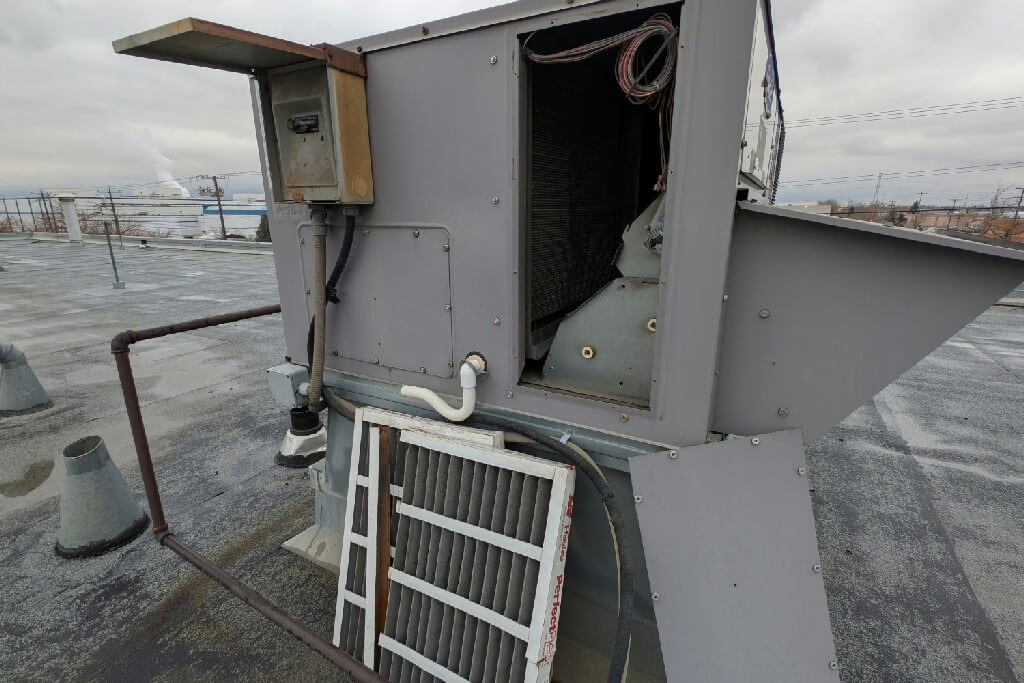
- Replacing filters before winter hits
- Training staff to notice early warning signs
Fast, informed action makes a huge difference, especially when shut down comes out of no where. Don’t panic, One Stop HVAC is here to help businesses in Calgary when this happens. We know that Calgary winters don’t forgive delays, and buildings cool quickly once heat is gone. Keep your business protected by informing your Calgary HVAC professional about any concerns as soon as possible.