 $25 OFF AC REPAIR | $139 MAINTENANCE

 Cooling
 Heating
 Water Heater
 Other Services
Winter Heating: Is Your Home Layout Hurting Your Furnace?
Dec
If you live in Calgary long enough, you learn pretty quickly that winter will find every weak spot in your home. There are signs that your heating system is being overworked beyond its capacity.
A lot of homeowners assume the problem is the furnace itself. In reality, the layout of the house often plays a bigger role than people expect. We see this every winter across Calgary. The system isn’t failing per se, it’s the furnace working harder in winter because the home wasn’t built in a way that heat can move easily.
Old vs. New: Calgary Homes Were Built for Different Eras
Calgary has homes from many different decades, and each era built houses differently.
Older homes were designed when energy was cheaper, and insulation standards were lower. Newer homes focus on space, light, and open design. Neither approach is wrong, but both affect how heat behaves inside. When heat can’t move smoothly through a house, the furnace has to keep pushing warm air to chase cold spots. That’s how a newly installed furnace turns into one that’s working harder in winter, even when nothing is technically broken.
Older Homes: Smaller Rooms Don’t Always Mean Easier Heating
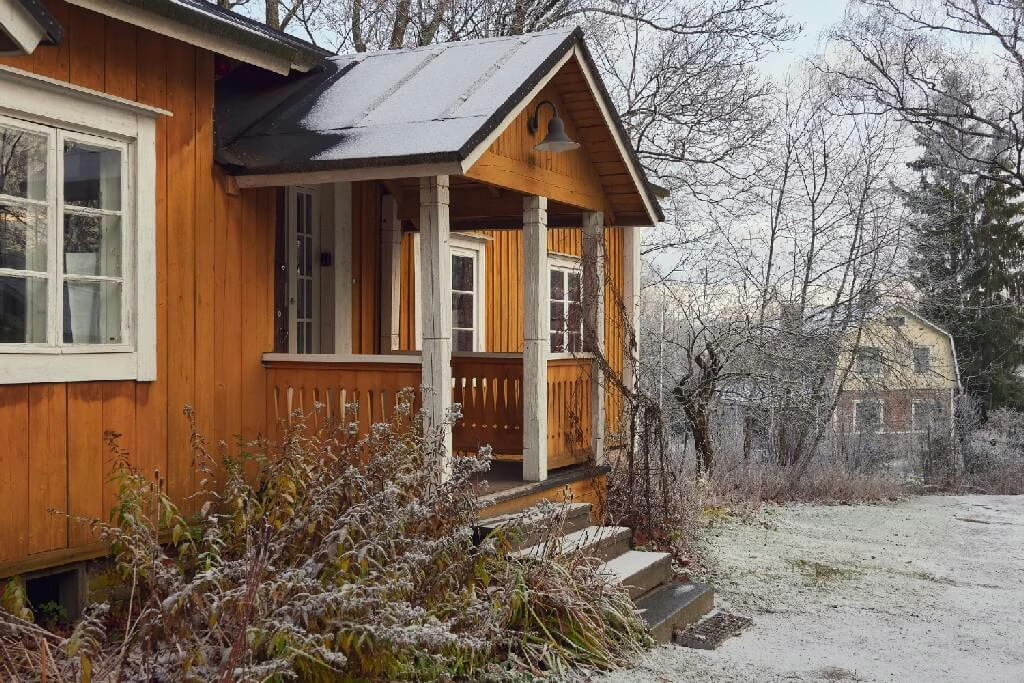
Many older Calgary homes are bungalows or split-levels with tighter room layouts. On paper, smaller spaces sound easier to heat. In real life, those layouts often trap warm air in the wrong places. Since older layouts have more walls, fewer return air paths, and smaller duct systems, warm air often gets pushed into rooms but has no easy way to circulate back through the house. Instead of spreading evenly, the heat gets stuck in certain areas, forcing the furnace to keep running longer to warm the rest of the home.
To put it simply, warm air enters one room and has no easy way to move back out. Other rooms stay cold, so the thermostat keeps calling for more heat. The furnace responds by running longer and more often. Over time, that constant demand adds up. This is one of the most common reasons we see a furnace working harder in winter in older neighbourhoods across the city.
Newer Homes: Open Space Changes Everything
Modern Calgary homes love open concepts. Tall ceilings, wide staircases, big windows. Sure, they look great, but they once again change the routing of heat.
Warm air naturally rises. In open layouts, it doesn’t just rise. It escapes upward and spreads out. Heat collects near ceilings and upper floors while the main level and basement feel chilly.
So even though the house is technically warm, the areas people actually use don’t feel comfortable. Homeowners turn the temperature up, and once again, the furnace is working harder in winter just to keep the living space livable.
How Layout Affects Heating in Different Areas of Your Home
Upstairs vs. Downstairs Furnace Heating
This is one of the most common complaints we hear in Calgary homes with more than one level.
Heat rises, plain and simple. If your thermostat sits on the main floor, it doesn’t know that bedrooms upstairs are overheating or that the basement feels like a fridge. It only reacts to the temperature where it’s mounted.
The result is uneven heating and longer run times. The system keeps pushing heat until the coldest area catches up, which means other parts of the house get overheated. That imbalance forces the furnace to run more than it should during winter.
Basements and Cold Ground Not Heating
Basements are surrounded by frozen soil for months at a time in Calgary. Concrete pulls cold in, even when walls are insulated.
Older basements were never meant to be living spaces. When they’re finished later, the heating system often isn’t adjusted to handle the extra demand. Cold air settles low, heat rises, and the system keeps trying to balance it out. When basements are too cold, the furnace needs to compensate.
Furnace Airflow Problems for the Whole Home
Some heating issues quietly add strain.
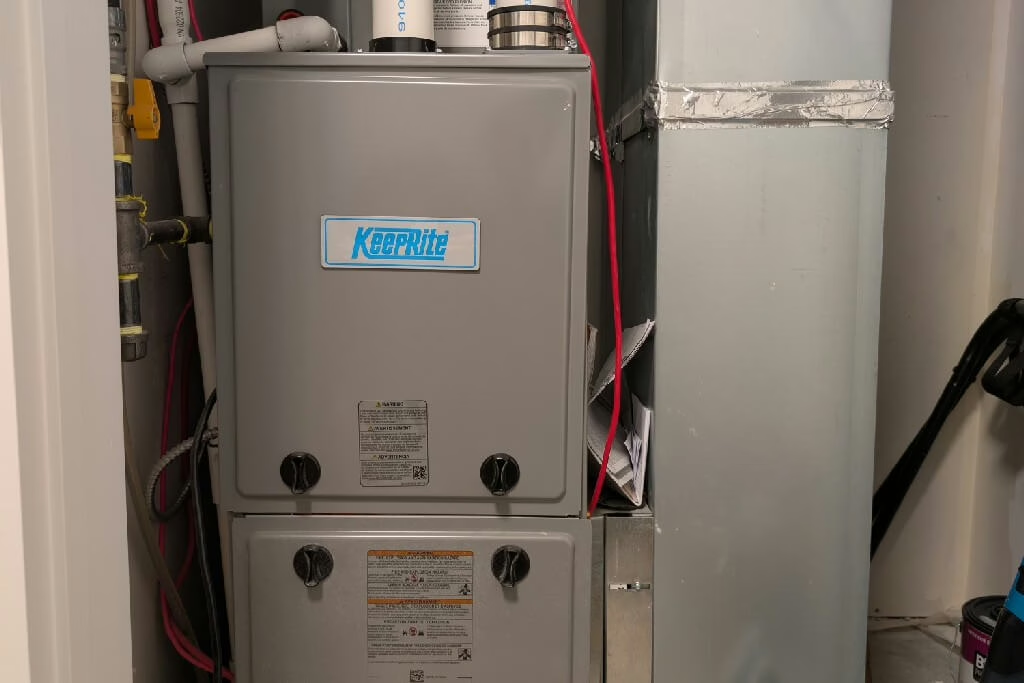
Long hallways, closed bedroom doors, furniture over vents, and blocked return air grilles all interrupt airflow. When air can’t move freely, warm air gets stuck and cold air doesn’t get pulled back properly.
From the system’s point of view, the house never quite warms up. So it keeps running.
Bonus Rooms and Garages Creating Cold Zones
Many Calgary homes have rooms built over garages. Garages are cold by nature, even when insulated.
Rooms connected to them lose heat faster than the rest of the house. The system has to push extra warmth into those spaces just to keep them comfortable, which increases overall demand.
If your home layout includes a garage below living space, the furnace is almost always doing extra work during winter.
Heating Near Windows and Staircases
Large windows and open staircases act like escape routes for heat.
Windows lose warmth quickly on cold nights, even newer ones. Open staircases pull warm air upward and away from where people spend time. These features don’t mean your house is poorly built, they just mean heat needs more help staying where it belongs.
Without help from airflow and insulation, the furnace compensates by running longer and harder.
What Homeowners Can Do Without Getting Technical
You don’t need special tools or knowledge to reduce strain on your heating system. Do these things to help the heat move through your home efficiently and effectively:
- Keep vents and return air grilles clear of furniture, rugs, and clutter so warm air can move freely.
- Leave interior doors open when possible to help heat circulate between rooms.
- Use curtains or blinds on cold nights to slow heat loss through windows.
- Make sure warm air isn’t getting trapped upstairs while lower levels stay cold (you can use stairwell fans or ceiling fans on low settings to gently push warm air downward, adjust vents to direct airflow to lower levels, or use balancing dampers).
When heat moves properly, the furnace doesn’t have to fight the house.
Matching Heating Power to the Home
One of the biggest mistakes people make is focusing only on how big the house is. Layout matters just as much.
Ceiling height, number of floors, room placement, and how air flows all affect how much effort it takes to keep a home warm. A compact bungalow and a tall open-concept house can be the same size but behave very differently in winter.
When the heating setup matches the way the home is built, comfort improves and strain drops.
While our furnace repair technicians will suggest the best furnace installation based on your home layout, here’s a simple breakdown to help homeowners understand what typically works best depending on how their Calgary home is built:
Furnace Type vs. Home Layout Guide
| Home Layout or Style | What the Home Needs | Furnace Type That Usually Works Best | Why This Helps |
| Older bungalow or compact split-level | Steady, even heat without big temperature swings | Single-stage (runs at full power, one setting) or two-stage furnace (low and high settings) | Smaller, closed-off rooms heat more evenly without sudden bursts of hot air |
| Two-storey home with bedrooms upstairs | Better control between floors | Two-stage furnace | Runs at a lower level most of the time, reducing overheating upstairs |
| Open-concept home with high ceilings | Consistent airflow and longer run times | Two-stage or variable-speed furnace (uses smart tech to adjust your furnace so it can run at multiple speeds) | Helps push warm air evenly instead of dumping heat all at once |
| Home with finished basement | Balanced heat top to bottom | Two-stage furnace | Prevents the main floor from overheating while warming lower levels |
| Large modern home with bonus room over garage | Strong airflow with flexibility | Variable-speed furnace | Adjusts automatically to colder zones like rooms over garages |
| Tall staircases and lots of windows | Gradual, controlled heating | Variable-speed furnace | Keeps heat from rushing upward and escaping too quickly |